

High-quality cotton construction is defined by the use of long-staple fibers, combed yarn processing, and tight weave structures that produce garments with measurably superior durability, comfort, and environmental performance. The industry term for this category is premium cotton, and it covers varieties like Supima and extra-long staple (ELS) cotton that go well beyond what a generic “100% cotton” label promises. Understanding the benefits of high-quality cotton construction helps you spend smarter, dress better, and reduce your wardrobe’s environmental footprint. Brands like Soloslife have built their entire product philosophy around these principles, using non-toxic dyes and responsible sourcing to deliver cotton essentials that genuinely last.
1. How fiber length and yarn construction drive durability
Fiber staple length is the single most important variable in cotton quality. Long-staple cotton produces finer, stronger, and smoother yarns with fewer imperfections and less pilling compared to short-staple cotton. That difference is not cosmetic. It translates directly into garments that hold their shape, resist tearing, and stay smooth after dozens of wash cycles.
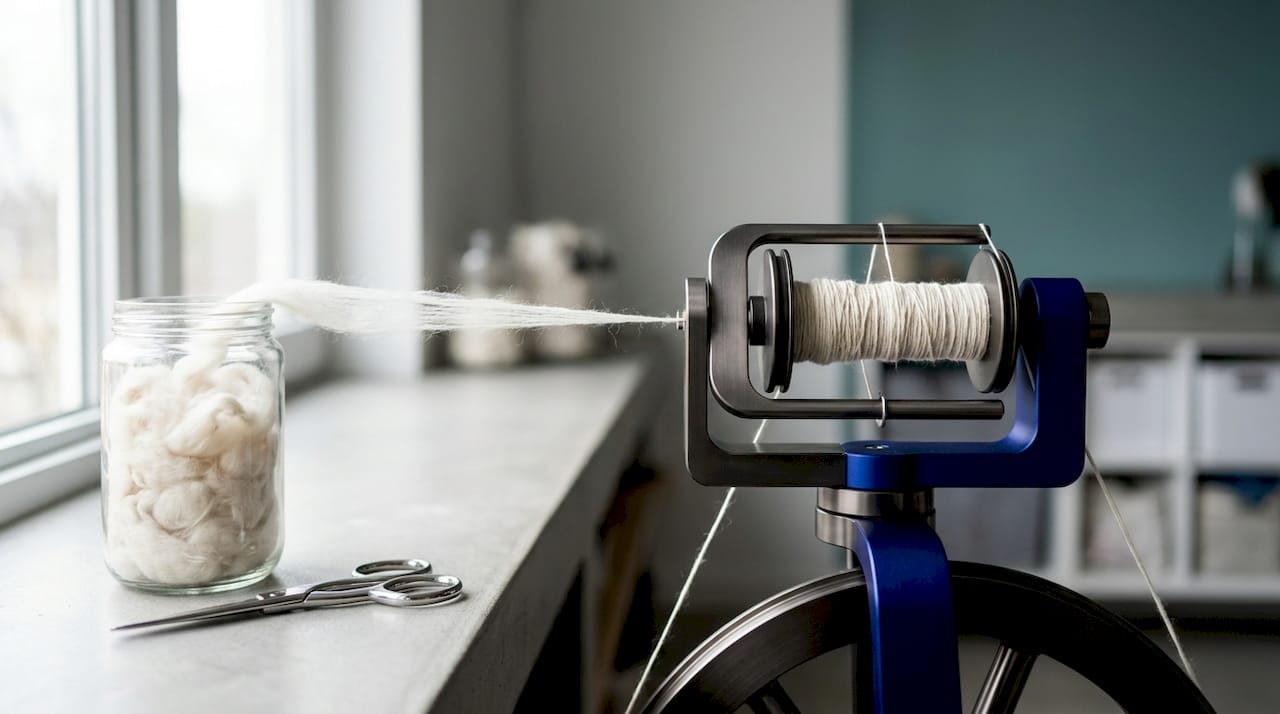
The numbers back this up. Long-staple cotton yarn carries approximately 32.3% higher break strength and up to 46 fewer yarn imperfections per kilometer than standard cotton. Fewer imperfections mean fewer weak points in the fabric where stress concentrates and tears begin.
Combing is the yarn processing step that separates premium cotton from commodity cotton. During combing, short fibers and debris are removed, leaving only the longest, most uniform fibers aligned in parallel. This alignment reduces exposed fiber ends on the yarn surface, which is the primary cause of pilling. Premium long fibers overlap more during spinning, creating cohesive yarns with fewer broken ends that resist abrasion under everyday wear.
Key durability advantages of premium cotton construction include:
- Pilling resistance: Longer, well-aligned fibers reduce surface fuzz and slow pill formation under friction.
- Wash stability: Finer, tighter yarns maintain shape and color through repeated laundering.
- Tear resistance: Higher break strength reduces fabric failure at stress points like seams and cuffs.
- Colorfastness: Smoother fiber surfaces accept dye more evenly, reducing fading over time.
Pro Tip: Look for labels that specify Supima, Pima, or ELS cotton. These designations indicate staple lengths above 1.38 inches, which is the threshold where durability and softness benefits become measurable.
2. What makes premium cotton more comfortable than standard cotton
Comfort in cotton is not just about softness to the touch. It is about how the fabric manages your body’s microclimate throughout the day. Cotton absorbs about 8% moisture by weight, compared to polyester at 0.4% and nylon at 2.5%. That absorbency gap means cotton pulls perspiration away from your skin and allows evaporative cooling, keeping you genuinely comfortable in warm conditions rather than just feeling dry for the first hour.
Premium cotton takes this further through finer yarn counts and finishing treatments. Mercerization, a process where cotton is treated under tension with a sodium hydroxide solution, improves fiber luster, softness, dye uptake, and wrinkle recovery. A mercerized premium cotton T-shirt feels noticeably silkier than an untreated standard cotton version, and it holds that feel wash after wash.
Comfort advantages specific to premium cotton construction include:
- Breathability: Tighter, finer weaves still allow air circulation while blocking wind, unlike loose-weave standard cotton that loses structure quickly.
- Hypoallergenic properties: Natural cotton fibers carry no synthetic chemical residues, making them suitable for sensitive skin and allergy-prone wearers.
- Fit retention: Finer yarns and tighter construction resist stretching out of shape, so a well-cut garment stays well-cut after six months of wear.
- Wrinkle resistance: Mercerized and combed cotton wrinkles less than standard cotton, reducing the need for ironing and maintaining a polished appearance through a full day.
Cotton’s comfort also relies on moisture management at the construction level. The fiber absorbs perspiration and enables evaporative cooling through fabric construction and garment care. This is why a well-constructed premium cotton polo performs better in heat than a loosely woven standard cotton shirt of the same weight.
3. How premium cotton construction improves sustainability
Cotton is biodegradable and not petroleum-based, so it does not persist in the environment the way synthetic fibers do. The USDA confirms cotton biodegrades naturally across freshwater, soil, and compost settings, which directly contrasts with polyester and nylon that shed persistent microplastics for decades. This is a foundational advantage for anyone building a wardrobe with a lower environmental footprint.
The scale of the synthetic fiber problem is significant. The apparel industry contributes 14% of all plastic pollution, with synthetic fibers as the primary driver. Cotton Incorporated reports that 66% of industry professionals consider cotton a leading alternative to synthetics for reducing plastic pollution. Choosing premium cotton over polyester blends is one of the most direct purchasing decisions you can make to reduce your contribution to that figure.
There is a nuance worth addressing honestly. Cotton textiles can shed microfibers during laundering, with cotton-rayon fabrics releasing 0.2 to 4 mg/g of fabric compared to polyester’s 0.1 to 1 mg/g. However, cotton fibers biodegrade in aquatic environments, while polyester microplastics accumulate. The net environmental impact still favors cotton, particularly when garment construction extends the product’s usable life.
This is where construction quality and sustainability intersect most directly. Quality garment construction improves seam strength, fastener security, and shape retention, leading to longer wear and fewer replacements. A premium cotton shirt that lasts five years generates far less waste than two or three cheaper garments covering the same period. Consumers focused on sustainability should consider microfiber shedding and fabric lifespan together: durable construction that extends garment use may outweigh modest natural fiber shedding. You can also explore an eco-friendly laundry routine to further reduce fiber loss during washing.
4. Premium cotton vs. standard cotton: a practical comparison
The difference between premium and standard cotton becomes clearest after six months of regular wear and washing. Premium 100% cotton made from extra-long staple and combed yarn stays crisper and more durable through repeated wash cycles due to finer yarns and tighter weaving. Standard cotton, by contrast, tends to pill, fade, and lose its shape within the first year of regular use.
| Property | Standard cotton | Premium cotton |
|---|---|---|
| Fiber staple length | Short to medium (under 1.1 inches) | Long to extra-long (1.38 inches and above) |
| Yarn processing | Carded only | Combed and ring-spun |
| Pilling resistance | Low to moderate | High |
| Wash durability | Fades and distorts within 20 to 30 washes | Maintains shape and color beyond 50 washes |
| Softness | Moderate, degrades over time | High, improves slightly with washing |
| Sustainability | Biodegradable | Biodegradable, longer lifespan reduces waste |
The consumer experience difference is tangible. Premium cotton garments feel noticeably smoother against the skin from the first wear, and that quality persists. Standard cotton often feels acceptable initially but becomes rough and misshapen after repeated laundering. For everyday essentials like T-shirts and polos, that difference in longevity directly affects cost per wear.
Pro Tip: Divide the price of a garment by the number of times you realistically expect to wear it. A $60 premium cotton T-shirt worn 200 times costs $0.30 per wear. A $20 standard cotton version worn 40 times costs $0.50 per wear. Premium cotton is the more cost-effective choice over time.
5. What to look for when choosing quality cotton clothing
Evaluating cotton quality requires looking beyond the “100% cotton” label. Staple length, yarn combing, and fabric structure critically impact softness, durability, and pilling resistance. Here is what to check before you buy.
Fiber and yarn indicators:
- Look for Supima, Pima, or ELS designations, which confirm long-staple fiber content.
- “Combed cotton” or “ring-spun cotton” on the label indicates yarn processing that improves strength and softness.
- Higher thread counts in woven fabrics (above 200 for shirts) generally indicate finer yarns and tighter construction.
Garment construction details:
- Examine seam quality. Double-stitched or reinforced seams at stress points like underarms and side seams indicate durable construction.
- Check fasteners. Buttons should be securely attached with cross-stitching, and zippers should move smoothly without catching.
- Assess fit structure. A well-constructed garment uses pattern pieces cut to maintain shape, not just stretch to fit.
Care and maintenance:
- Follow cold-water washing instructions to preserve fiber integrity and reduce microfiber shedding.
- Air drying extends garment life significantly compared to high-heat tumble drying, which degrades fiber alignment over time.
- Store cotton garments folded rather than hung to prevent shoulder distortion in heavier knits.
Where to find certified premium cotton:
Brands that publish their sourcing standards and use certified organic or sustainably grown cotton are the most reliable starting point. Soloslife, for example, uses non-toxic dyes and prioritizes responsible sourcing as core commitments rather than marketing claims. You can also learn more about why cotton outperforms synthetics for long-term wardrobe building. For broader sourcing guidance, resources like eco-friendly streetwear sourcing cover how to identify genuinely sustainable cotton garments across different price points.
Key takeaways
High-quality cotton construction delivers superior durability, comfort, and sustainability because long-staple fibers, combed yarn processing, and tight weave structures work together to produce garments that outperform standard cotton in every measurable category.
| Point | Details |
|---|---|
| Fiber length determines quality | Long-staple cotton produces 32.3% stronger yarn with 46 fewer imperfections per kilometer. |
| Comfort goes beyond softness | Cotton absorbs 8% moisture by weight, enabling evaporative cooling that synthetics cannot match. |
| Durability is sustainability | A premium cotton garment lasting five years generates less waste than three cheap replacements. |
| Construction details matter | Seam strength, fastener quality, and fit structure determine longevity as much as fiber choice. |
| Labels tell the story | Supima, Pima, combed, and ring-spun designations confirm the quality indicators worth paying for. |
Why quality cotton is worth every cent
We have tested and worn a lot of cotton over the years at Soloslife, and the honest truth is this: most people underestimate how much garment construction affects their daily experience. You can have the finest Supima fiber in the world, but if the seams are poorly stitched or the pattern is cut without attention to fit, the garment will disappoint. The fiber and the construction have to work together.
What I find most compelling about premium cotton is the sustainability argument, and not in the abstract sense. When a T-shirt lasts three years instead of one, you have made a real, measurable reduction in your consumption. That is not a marketing claim. It is arithmetic. The environmental cost of producing one excellent garment is almost always lower than producing three mediocre ones.
The comfort argument also holds up in practice. Synthetic fabrics feel fine in controlled conditions, but wear a polyester blend through a warm afternoon and compare it to a well-constructed cotton essential. The difference is not subtle. Cotton breathes, manages moisture, and stays comfortable in a way that synthetics simply do not replicate, regardless of what the performance fabric marketing says.
My advice: invest in fewer, better pieces. Choose garments where the brand can tell you the fiber origin, the yarn processing method, and the construction standards. That transparency is the clearest signal that what you are buying is genuinely built to last.
— Solos
Discover Soloslife premium cotton essentials
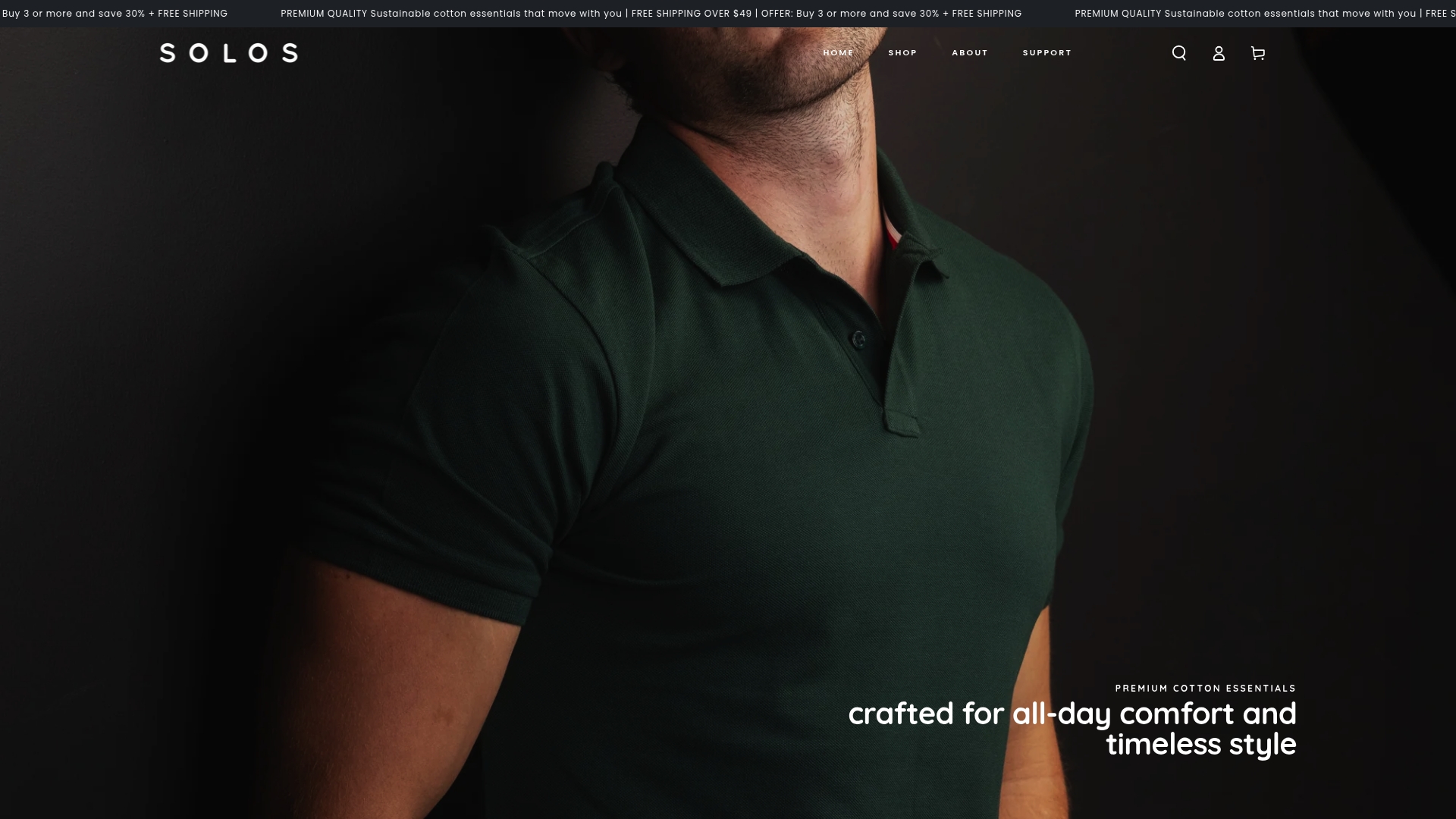
Soloslife builds every garment around the principles covered in this article: long-staple cotton fibers, responsible sourcing, non-toxic dyes, and construction standards that prioritize longevity over price-point shortcuts. The result is a collection of everyday essentials that wear better, feel better, and carry a smaller environmental footprint than conventional alternatives.
Explore the full range of premium cotton T-shirts and polos designed for all-day comfort and lasting style. If you want to complete your wardrobe with sustainably made accessories, the organic cotton canvas cap is a standout example of how quality construction extends to every piece. Every purchase supports fair labor practices and responsible resource management, so you can wear it with confidence.
FAQ
What is the difference between premium and standard cotton?
Premium cotton uses long-staple fibers (1.38 inches and above) that are combed and ring-spun into finer, stronger yarns. Standard cotton uses shorter fibers with less processing, resulting in lower durability, more pilling, and faster degradation after washing.
Is high-quality cotton worth the higher price?
A premium cotton garment worn 200 times costs significantly less per wear than a cheaper garment worn 40 times before it deteriorates. The durability advantage makes premium cotton the more cost-effective choice over a full garment lifecycle.
Does cotton really biodegrade compared to synthetic fabrics?
The USDA confirms cotton biodegrades naturally in freshwater, soil, and compost settings. Synthetic fibers like polyester do not biodegrade and contribute to the 14% of plastic pollution attributed to the apparel industry.
What labels should I look for to identify quality cotton?
Look for Supima, Pima, or ELS (extra-long staple) designations, along with “combed cotton” or “ring-spun cotton” on the label. These terms confirm fiber length and yarn processing standards that deliver measurable durability and softness benefits.
How should I care for premium cotton garments to preserve their quality?
Wash in cold water, avoid high-heat drying, and store folded rather than hung. These practices preserve fiber alignment, reduce microfiber shedding, and extend garment life significantly beyond what standard care delivers.


