

An eco-friendly laundry routine for cotton is defined as a washing and drying system that uses cold water, certified non-toxic detergents, and low-impact drying methods to reduce environmental harm while preserving fabric quality. Cotton is the world’s most widely worn natural fiber, and how you care for it determines both its lifespan and its environmental footprint. The good news: the practices that are gentlest on the planet are also the ones that keep your cotton garments looking sharper for longer. This guide covers every stage of the process, from water temperature to emerging self-cleaning fabric technologies, so you can build a routine that works for your wardrobe and the world.
What is the best washing temperature for cotton garments?
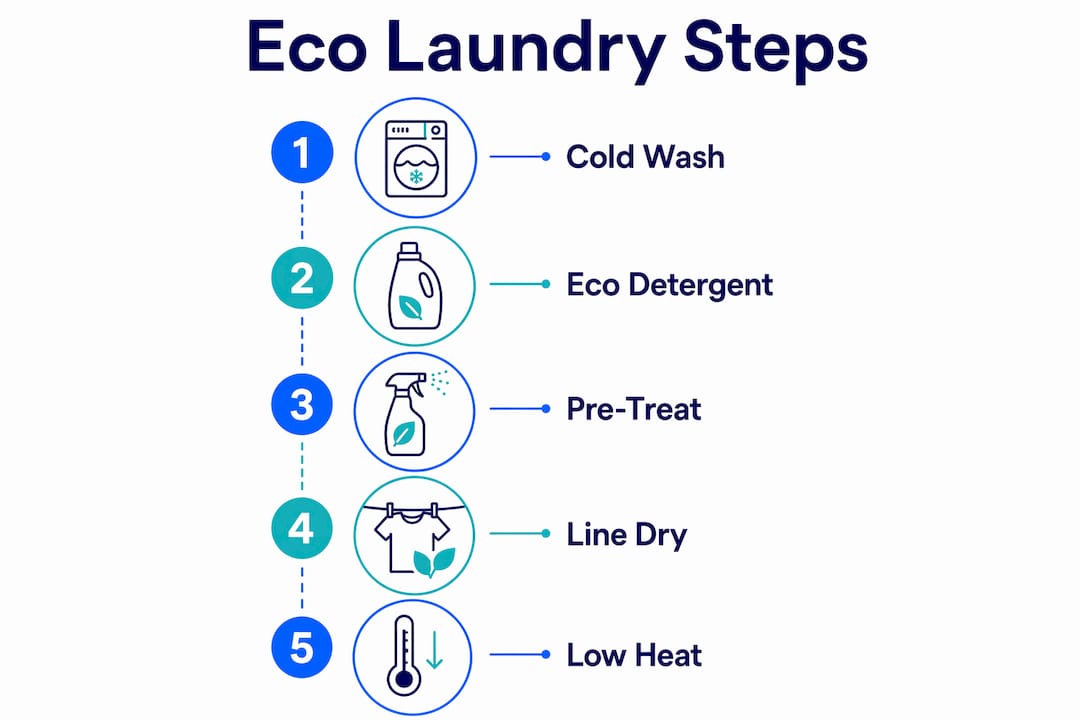
Cold water is the right default for almost every cotton wash. Most laundry energy goes directly into heating water, which means switching to cold cycles is the single highest-impact change you can make. The annual cost difference is stark: hot water washing runs approximately $145.71 per year, while cold washing drops that figure to around $50.58. That is real money saved without any sacrifice in cleanliness for everyday cotton loads.
Beyond cost, cold water protects the cotton fiber itself. Washing cotton below 40°C is the primary method for preserving fit and longevity, because higher temperatures accelerate fiber degradation and lock in shrinkage. White cotton items that need sanitizing, such as gym socks or kitchen towels, can tolerate a 40°C cycle used sparingly. For colored and dark cottons, cold is always the safer call.
Here is how to match your wash setting to the garment type:
- Everyday colored cotton tees and polos: Cold cycle, 30°C or below
- White cotton basics needing sanitization: 40°C, used occasionally
- Delicate or lightweight cotton weaves: Cold, gentle cycle
- Heavily soiled cotton workwear: Pre-soak first, then cold wash to avoid locking in stains with heat
Pro Tip: Eco and cotton cycles on modern machines often run longer than standard cycles. That extra time at lower temperatures is doing real work. Resist the urge to switch to a faster, hotter setting.
What detergents and additives best support eco-friendly cotton care?
The detergent aisle is full of misleading claims. There is no regulated legal definition for “non-toxic” on laundry products in the United States, which means that label alone tells you nothing. The reliable markers are EPA Safer Choice certification and EWG Verified status. Both require a full scientific evaluation of every ingredient in the formula against environmental and health criteria. Marketing terms like “natural” or “plant-based” carry no such accountability.
For cotton specifically, the chemistry of your detergent matters beyond just safety. Harsh alkaline detergents break down cellulose fibers over time, which is the structural material that gives cotton its strength and softness. Enzyme-based detergents, such as those carrying the EPA Safer Choice mark, are formulated to work effectively at low temperatures. This means you get genuine cleaning power in a cold cycle without compromising the fiber.
Key criteria when selecting a detergent for your green laundry practice:
- EPA Safer Choice or EWG Verified certification on the label
- Enzyme-based formula that activates at cold water temperatures
- Fragrance-free or naturally scented to avoid synthetic chemical residues on fabric
- Concentrated formula in recyclable or compostable packaging to reduce plastic waste
- Biodegradable surfactants that break down safely in wastewater systems
Pro Tip: Pre-treat stains with an enzyme spray directly on the fabric before washing. This eliminates the temptation to crank up the temperature to shift a stubborn mark, protecting both the cotton and your energy bill.
How do drying choices impact sustainability and cotton longevity?
Line drying is the clear winner on every metric that matters. Tumble drying produces approximately 1.8 kg of CO2 per cycle and carries a significant annual cost for regular users. Line drying costs nothing and produces zero emissions. For eco-conscious cotton care, that comparison is straightforward.
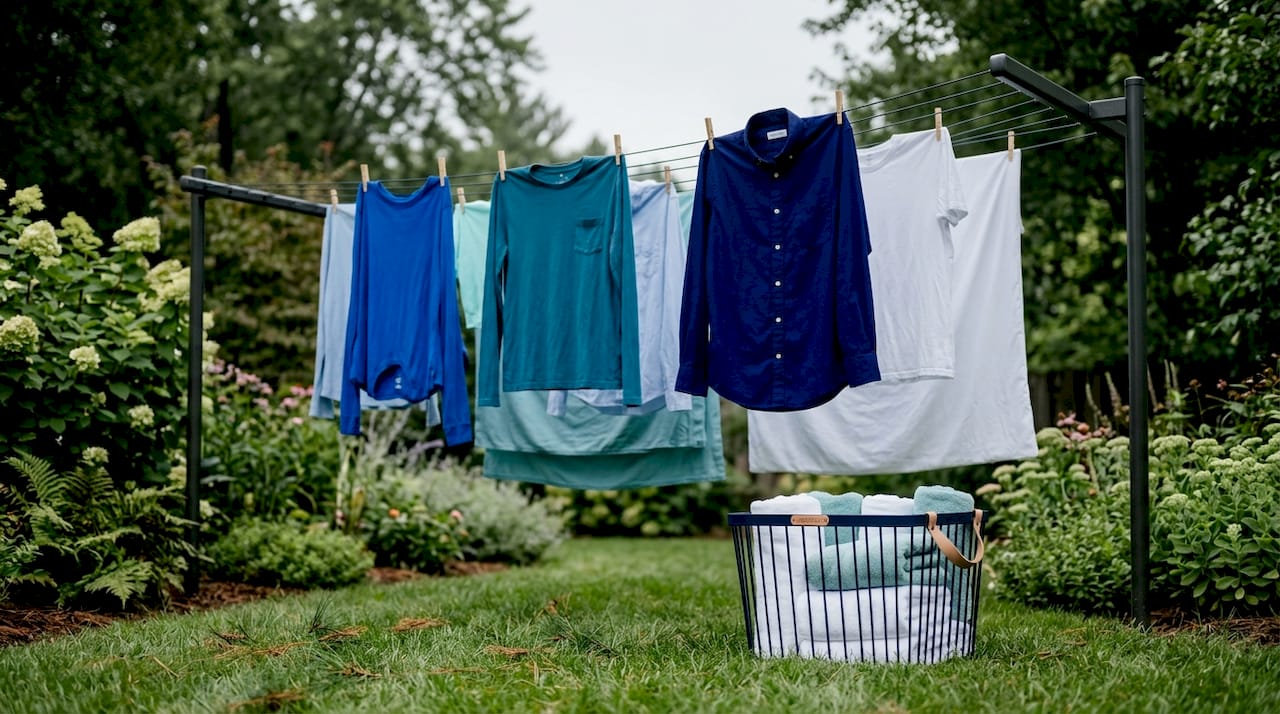
The fabric damage from tumble drying is less obvious but just as significant. Mechanical and thermal stress from dryers reduces cotton tensile strength by approximately 25% after just 20 cycles. That is why your favorite cotton tee starts to feel thin and misshapen after a year of regular machine drying. The lint trap in your dryer is not just dust. It is your garment, slowly disappearing.
| Drying method | CO2 per cycle | Annual cost | Effect on cotton after 20 cycles |
|---|---|---|---|
| Tumble dryer (standard) | ~1.8 kg | Significant | ~25% tensile strength loss |
| Heat pump dryer | Reduced by ~33% | Lower than standard | Less thermal stress |
| Line drying | 0 kg | $0 | Minimal fiber degradation |
There are practical reasons some people reach for the dryer. Allergy sufferers benefit from machine drying because it removes pollen that outdoor drying can deposit on fabric. In wet climates or winter months, outdoor drying is not always realistic. In those cases, a heat pump dryer is the responsible choice over a conventional vented model.
Pro Tip: If you use a dryer, set it to low heat and remove cotton garments while they are still slightly damp. Finishing the drying flat or on a hanger prevents thermal shrinkage and reduces wrinkles without ironing.
What are the best fabric care practices to prevent cotton shrinkage?
Shrinkage is the most common complaint about cotton, and it is almost entirely preventable with the right routine. Untreated cotton shrinks 3 to 5% after the first wash and dry cycle. Cold water washing reduces that shrinkage by 50 to 75%, which is a meaningful difference when you are trying to preserve the fit of a well-made garment. Sanforized cotton, which has been pre-shrunk during manufacturing, shrinks less at around 1 to 3%, but it still benefits from cold water care.
Follow these steps to protect your cotton garments from the first wash onward:
- Pre-wash new cotton before sewing or first wear. This allows the fabric to shrink on its own terms before it is shaped into a garment or worn against your body.
- Always select cold water. The temperature difference between cold and hot is where most shrinkage occurs.
- Use a gentle cycle. Aggressive agitation physically stresses cotton fibers, loosening the weave and distorting the shape.
- Do not overload the machine. Overcrowding increases friction between garments and reduces rinse effectiveness, leaving detergent residue that stiffens fabric over time.
- Air dry flat or on a hanger. Hanging a wet cotton garment vertically can stretch it out of shape. Flat drying on a clean surface preserves the original cut.
- Partially restore shrunken items by soaking in lukewarm water with a small amount of hair conditioner for 30 minutes, then gently stretching back to shape while damp.
| Care method | Shrinkage risk | Fabric impact |
|---|---|---|
| Hot wash, tumble dry | High (3 to 5%+) | Significant fiber stress |
| Cold wash, tumble dry | Moderate | Thermal stress from drying |
| Cold wash, line dry | Low (under 1%) | Minimal degradation |
| Cold wash, flat air dry | Lowest | Best for garment longevity |
How can emerging technologies transform your sustainable laundry routine?
The future of sustainable cotton care goes well beyond choosing a greener detergent. Self-cleaning fabric coatings represent a genuine shift in how laundering works. These hydrophilic coatings allow fabrics to be cleaned with a single water rinse, reducing water, electricity, and time by approximately 82% compared to a standard wash cycle. The coating retains its performance for over 100 wash cycles and eliminates detergent-laden wastewater discharge entirely. That is not a marginal improvement. It is a different category of solution.
On the appliance side, heat pump dryers now reduce energy consumption by up to 65% and CO2 emissions by 33% per cycle compared to conventional vented dryers. Modern washing machines with intelligent dosing systems also reduce detergent and water use automatically, removing the guesswork from load sizing.
Key developments worth tracking for your zero waste laundry goals:
- Self-cleaning fabric coatings that eliminate detergent use and cut rinse cycles to one
- Heat pump dryers from brands like Electrolux Professional that dramatically cut per-cycle emissions
- Intelligent dosing washers that calibrate detergent and water to the exact load
- Microfiber filters for washing machines that capture synthetic fiber shedding before it enters waterways
Pro Tip: Follow sustainability-focused textile research publications and brands like Soloslife that integrate these advances into their sourcing and care recommendations. The technology is moving fast, and staying informed means your routine keeps improving.
Key takeaways
An eco-friendly laundry routine for cotton requires cold water washing, certified detergents, and low-impact drying to protect both the environment and the fabric simultaneously.
| Point | Details |
|---|---|
| Cold water is the priority | Switching from hot to cold washing cuts energy use dramatically and reduces annual laundry costs by nearly two-thirds. |
| Certifications over claims | Choose EPA Safer Choice or EWG Verified detergents. Marketing terms like “natural” carry no regulatory weight. |
| Line drying preserves cotton | Tumble drying reduces cotton tensile strength by ~25% after 20 cycles. Line drying costs nothing and causes minimal fiber damage. |
| Cold water prevents shrinkage | Cold washing reduces cotton shrinkage by 50 to 75% compared to hot water cycles. |
| Emerging tech changes the game | Self-cleaning fabric coatings can reduce water, energy, and chemical use by ~82%, pointing to a new standard in sustainable laundering. |
What we have learned building a truly sustainable cotton wardrobe
When we first shifted to cold water washing and EPA Safer Choice detergents at Soloslife, the results were not dramatic overnight. The change was quieter than that. After several months, the cotton pieces in regular rotation held their shape better, faded less, and felt softer to the touch. That is the compounding effect of gentle care. It does not announce itself. It just shows up in how your clothes look after a year.
The drying question is where most people get stuck, and honestly, it is the most context-dependent decision in the whole routine. We line dry whenever the weather allows, but we are not rigid about it. A heat pump dryer on a low setting, with garments removed while still slightly damp, is a reasonable compromise that most cotton pieces handle well. Perfection is not the goal. Consistent improvement is.
The piece of conventional wisdom we push back on is the idea that eco-friendly laundry means accepting worse results. Cold water with an enzyme-based detergent cleans everyday cotton just as effectively as a hot cycle. The garments last longer. The routine costs less. The environmental impact is lower. There is no real trade-off here, only a habit that needs updating.
Start with one change: drop your wash temperature to cold. Build from there.
— Solos
Dress better, wash smarter with Soloslife

At Soloslife, every cotton essential in our collection is made with sustainability at its core, from responsibly sourced fibers to non-toxic dyes that hold their color through hundreds of cold washes. Our premium cotton tees and polos are designed to reward exactly the kind of gentle, eco-conscious care this article describes. The better you wash them, the longer they last, and the more value you get from every piece. Explore our sustainability philosophy to see how our sourcing and manufacturing choices align with the green laundry practices you are already building. When your garments and your routine are working in the same direction, the impact adds up.
FAQ
What temperature should I wash cotton at?
Wash cotton at 30°C or below for everyday loads. Washing above 40°C accelerates fiber degradation and increases shrinkage risk significantly.
Does cold water actually clean cotton effectively?
Yes. Enzyme-based detergents certified by EPA Safer Choice are formulated to activate at cold temperatures, delivering effective cleaning without the energy cost of heating water.
How much does cotton shrink in the wash?
Untreated cotton shrinks 3 to 5% after the first wash and dry cycle. Cold water washing reduces that shrinkage by 50 to 75%.
Is line drying always better than machine drying for cotton?
Line drying is better for fabric longevity and produces zero CO2 emissions. If machine drying is necessary, a heat pump dryer on low heat is the next best option for preserving cotton fiber integrity.
How do I know if a laundry detergent is genuinely eco-friendly?
Ignore marketing claims like “natural” or “plant-based.” Look for EPA Safer Choice or EWG Verified certification, which confirm that every ingredient in the formula has been evaluated against health and environmental standards.


