

TL;DR:
- Proper sustainable clothing care extends garment longevity while minimizing environmental harm through eco-friendly washing and drying practices. Following correct routines, such as cold water washing, air drying, and using appropriate products, significantly reduces resource consumption and fabric wear. Consistent habits and proper storage also help maintain wardrobe quality, reducing the need for frequent replacement.
Sustainable clothing care is the practice of washing and maintaining garments in ways that extend their lifespan while minimising harm to the environment. Done well, it reduces your water and energy consumption, protects fabric integrity, and keeps ethically made pieces looking sharp for years longer than conventional laundry habits allow. This guide covers everything from eco-friendly product selection and reading care labels to low-impact drying methods and long-term wardrobe maintenance. If you have invested in quality sustainable pieces, the way you wash them matters as much as the way you buy them.
What tools and products do you need for sustainable washing?
The right products make green garment care practical rather than complicated. Start with these essentials before you change a single wash setting.
| Product | Purpose | Recommended Options |
|---|---|---|
| Eco-friendly detergent | Cleans without harsh chemicals | Koala Eco, Abode, Ecostore |
| Fabric softener alternative | Softens and reduces static naturally | White vinegar, wool dryer balls |
| Guppyfriend washing bag | Captures microfibres from synthetics | Guppyfriend (STOP! Micro Waste) |
| Wool dryer balls | Reduces drying time and static | Friendsheep, Woolzies |
| HE-compatible measuring cup | Prevents detergent overdosing | Any marked measuring cup |
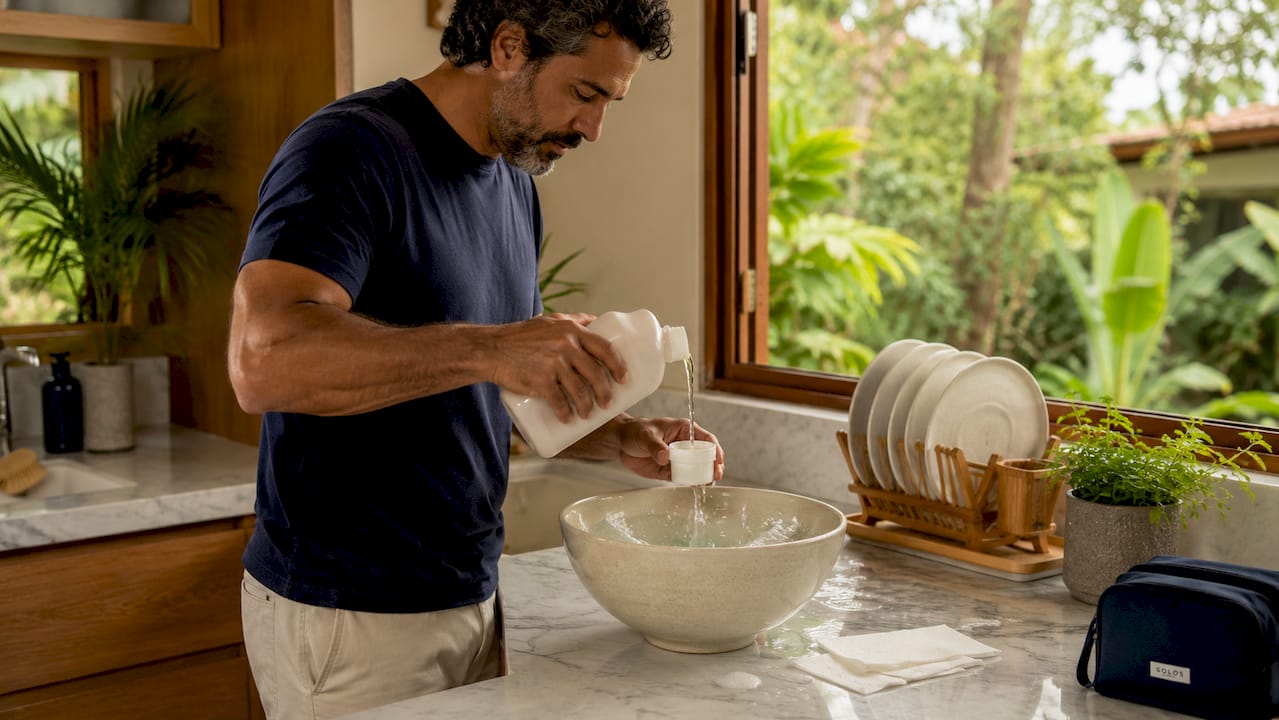
High-efficiency (HE) detergents are formulated for front-loader and HE top-loader machines, which use significantly less water than older models. Using a standard detergent in an HE machine creates excess suds that require additional rinse cycles, wasting both water and energy. Overusing detergent increases rinsing needs and harms waterways. Less is genuinely better here.
Vinegar in the rinse cycle naturally softens fabrics, brightens colours, and eliminates static as a biodegradable alternative to synthetic softeners. Add one cup to the fabric softener dispenser and let the machine do the rest. It leaves no scent once dry.
Synthetic garments shed microfibres during washing, releasing plastic particles into waterways. A Guppyfriend bag captures these fibres before they reach the drain. It is one of the simplest upgrades you can make to an existing laundry routine.
Pro Tip: Measure your detergent every time. Most people use two to three times the recommended dose, which does not clean better. It just costs more and pollutes more.
How do you read garment care labels for sustainable wash cycles?
Care labels are the most underused tool in sustainable clothing maintenance. Ignoring them leads to shrinkage, colour loss, and premature fabric breakdown, all of which shorten a garment’s life and push you toward buying replacements sooner.
Here is a quick reference for the most common symbols:
- Tub with water and number: Machine wash at that temperature (e.g., 30°C)
- Tub with hand: Hand wash only
- Circle: Dry clean
- Square with circle inside: Tumble dry (dots indicate heat level)
- Iron with dots: Iron at low, medium, or high heat
- X through any symbol: Do not perform that action
The comparison table below shows ideal wash settings by fabric type:
| Fabric | Temperature | Cycle | Notes |
|---|---|---|---|
| Organic cotton | 30°C cold | Gentle or normal | Wash inside out to preserve colour |
| Merino wool | 30°C cold | Wool or delicate | Lay flat to dry |
| Linen | 40°C warm | Normal | May shrink above 60°C |
| Recycled polyester | 30°C cold | Gentle | Use Guppyfriend bag |
| Bamboo | 30°C cold | Delicate | Avoid high spin speeds |
Over-washing is one of the most common mistakes in eco-friendly fabric care. Not every garment needs a wash after one wear. Denim, knitwear, and structured pieces benefit from airing out between wears rather than repeated machine cycles. Washing less frequently reduces fibre stress, water use, and detergent consumption in one step.
Under-dosing detergent leaves residue and odour, while overdosing causes the problems described above. Follow the manufacturer’s guidance on the detergent packaging and adjust for load size. A full load needs more detergent than a half load, but not proportionally more.
What are the best sustainable washing practices to protect your clothes?
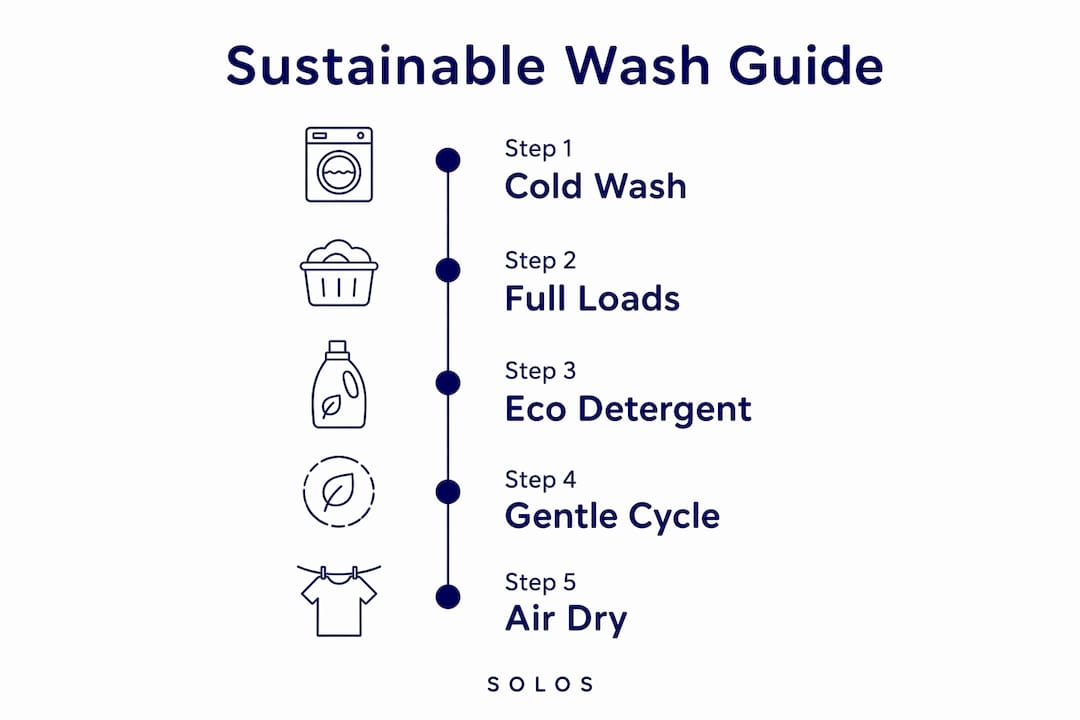
Practical sustainable wash techniques come down to a handful of consistent habits. Follow these steps and you will notice the difference in both your garments and your utility bills.
-
Wash full loads. Partial loads waste energy and water and increase mechanical friction that wears fabric faster. Wait until you have a full load before running the machine.
-
Use cold water. Heating water accounts for up to 90% of the energy used in a wash cycle. Switching to cold water cuts that energy use by 60–90%. Modern detergents clean effectively at cold temperatures, so there is no trade-off in cleaning performance.
-
Turn garments inside out. Washing clothes inside out reduces friction on the outer surface, preserving colour and texture. This is especially important for dark garments and pieces with printed or embroidered details.
-
Select the right cycle. Delicate and gentle cycles use less water agitation, which reduces fibre damage. Reserve heavy-duty cycles for heavily soiled workwear or towels, not everyday clothing.
-
Reduce wash frequency. Air garments after wearing them. Spot clean minor marks rather than running a full wash. This single habit can halve the number of wash cycles a garment goes through in its lifetime.
-
Use a Guppyfriend bag for synthetics. Place recycled polyester, nylon, and blended fabrics inside the bag before washing to capture shed microfibres.
Pro Tip: Treat protein stains such as sweat, blood, or food with an enzyme-based stain treatment before washing. Enzyme boosters break down tough stains without harsh chemicals, which means fewer rewashes and less fabric stress.
For a deeper look at cotton-specific routines, the eco laundry routine guide from Soloslife covers fabric-specific techniques in detail.
How do you dry sustainable clothing efficiently and carefully?
Air drying is the most environmentally beneficial drying method, extending clothing life while reducing your carbon footprint and power bills. A clothesline or drying rack costs nothing to run and is gentler on fabric than any machine.
When air drying is not practical, here is how to use a tumble dryer with minimal impact:
- Use wool dryer balls. They separate garments in the drum, improving airflow and reducing drying time. They also soften fabric naturally without chemicals.
- Add scent drops carefully. Wool dryer balls with scent drops require 5–10 minutes of absorption time before use. Skipping this step risks oil spotting on fabric.
- Clean the lint screen every cycle. A clogged lint screen forces the dryer to work harder, using more energy and extending drying time.
- Check your dryer vent material. Plastic dryer vents pose fire hazards and reduce efficiency. Rigid metal venting is the recommended material for safety and performance.
- Consider a heat-pump dryer. Heat-pump dryers use roughly half the energy of conventional vented dryers by recycling hot air rather than exhausting it. They are gentler on fabric and significantly more efficient over time.
The simplest drying upgrade you can make is also the cheapest: hang your clothes outside. Sun and airflow do the job without a single watt of electricity.
Avoid drying garments in direct sunlight for extended periods, as UV exposure fades colour over time. A shaded spot with good airflow is ideal for most sustainable fabrics.
How do you maintain a sustainable wardrobe beyond washing?
Long-term garment care extends well beyond the laundry cycle. These habits protect your investment and reduce the need for replacement.
- Steam instead of iron when possible. A garment steamer refreshes fabric and removes creases without the direct heat contact of an iron. It is gentler on fibres and works well on cotton, linen, and wool. Soloslife’s sustainable dyeing process uses non-toxic dyes that respond well to steaming rather than high-heat ironing.
- Store garments correctly. Fold knitwear rather than hanging it to prevent shoulder stretching. Use cedar blocks instead of mothballs to deter insects without toxic chemicals.
- Limit high-heat ironing. High heat weakens fibres over time. Use the lowest effective temperature and always check the care label before pressing.
- Choose sustainable dry cleaning. GreenEarth Cleaning uses chemically inert liquid silicone instead of traditional solvents, making it suitable for delicate fabrics including leather, suede, and beaded trims. It is gentler on fabric and eliminates the harsh chemical exposure of conventional dry cleaning.
- Repair before replacing. A loose button, a small tear, or a worn hem is fixable. Repairing extends a garment’s life by years and keeps it out of landfill. The case for quality clothing is also the case for repairing it.
Understanding why biodegradable clothing matters helps put these habits in context. Garments made from natural fibres break down at end of life, but only if they have not been treated with synthetic coatings from harsh detergents or dry cleaning chemicals.
Key takeaways
The most effective sustainable clothing care routine combines cold water washing, full loads, air drying, and correct detergent dosing to protect both your garments and the environment.
| Point | Details |
|---|---|
| Cold water is the biggest win | Switching to cold washes cuts laundry energy use by 60–90% with no loss in cleaning performance. |
| Dose detergent correctly | Overdosing creates excess suds, wastes water, and harms waterways. Follow manufacturer guidance every time. |
| Air dry whenever possible | Air drying extends garment life, reduces carbon footprint, and costs nothing to run. |
| Use a Guppyfriend bag for synthetics | Capturing microfibres before they reach the drain is one of the simplest ways to reduce microplastic pollution. |
| Repair and store garments properly | Correct storage and timely repairs extend garment lifespan significantly and reduce the need for replacement. |
What we have learned from building a truly sustainable laundry routine
The biggest misconception we see is that sustainable laundry requires expensive products or a complete overhaul of your routine. It does not. The most impactful changes cost nothing: washing in cold water, running full loads, and hanging clothes to dry. These three habits alone address the majority of laundry’s environmental footprint.
What takes more effort is consistency. It is easy to run a half-load because you need a shirt tomorrow, or to throw everything in the dryer because it is raining. Those small decisions accumulate. Over a year, they represent dozens of unnecessary wash cycles and hundreds of kilowatt-hours of wasted energy.
We have also found that people underestimate how much over-washing damages their clothes. Fabrics wear out faster from repeated machine agitation than from actual use. Washing less frequently, airing garments between wears, and spot treating stains are habits that genuinely extend the life of quality pieces.
The products matter too, but not as much as the habits. A good eco-friendly detergent used at the wrong temperature or in a half-empty machine still wastes resources. Get the fundamentals right first, then refine your product choices.
Start with one change this week. Cold water washes are the easiest entry point. Build from there.
— Solos
Explore soloslife’s sustainable cotton essentials

Soloslife designs premium cotton T-shirts and polos built for durability and low-impact care. Every piece is made with non-toxic dyes and responsibly sourced materials, so the garments you bring home are already aligned with the care practices in this guide. Washing them in cold water, air drying, and storing them correctly is all they need to last for years.
Visit the Soloslife sustainability page to understand the full philosophy behind how these garments are made. When you are ready to add pieces that reward proper care, explore the full range of premium cotton essentials designed for everyday wear with a minimal footprint.
FAQ
What temperature should i wash sustainable clothing at?
Wash most sustainable fabrics at 30°C cold. Heating water accounts for up to 90% of laundry energy use, so cold water is the single most impactful setting change you can make.
How often should i wash sustainable garments?
Wash garments only when genuinely soiled. Airing knitwear, denim, and structured pieces between wears reduces wash frequency and extends fabric life significantly.
Are wool dryer balls actually effective?
Yes. Wool dryer balls separate garments in the drum, improve airflow, and reduce drying time naturally. Allow scent drops to absorb for 5–10 minutes before use to avoid oil spotting on fabric.
What is GreenEarth cleaning and is it worth using?
GreenEarth Cleaning uses liquid silicone instead of traditional dry cleaning solvents, making it safer for delicate fabrics and the environment. It is the recommended option for garments labelled dry clean only.
Does vinegar damage fabric if used as a softener?
No. One cup of white vinegar added to the fabric softener dispenser softens, brightens, and reduces static without leaving residue or scent. It is fully biodegradable and safe for all standard fabric types.


