

TL;DR:
- Choosing high-quality clothing extends its lifespan, reducing resource use, textile waste, and microfibre pollution. Longer-wearing garments lower environmental impact through fewer production cycles and promote sustainable fashion habits. Proper care and fabric choices further minimize microfibre shedding, supporting a more eco-friendly wardrobe.
Quality clothing reduces waste by lasting longer, requiring fewer replacements, and cutting the number of production cycles that drain resources and generate textile pollution. The concept behind this is sometimes called “cost-per-wear,” a framing explored by researchers at The Conversation that redefines affordability in terms of how many times you actually wear a garment rather than its sticker price. Understanding why quality clothing reduces waste means looking at three interconnected forces: garment durability, microfibre pollution from washing, and the environmental cost of fast fashion’s throwaway cycle. Each one points to the same conclusion. Buying better means wasting less.
Why quality clothing reduces waste through durability and lifespan
Garments worn more frequently and lasting longer require fewer production cycles, which directly reduces total resource use and textile waste. Every time a cheap garment falls apart and gets replaced, the entire manufacturing process repeats: raw material extraction, dyeing, cutting, stitching, and shipping. Quality clothing breaks that cycle.
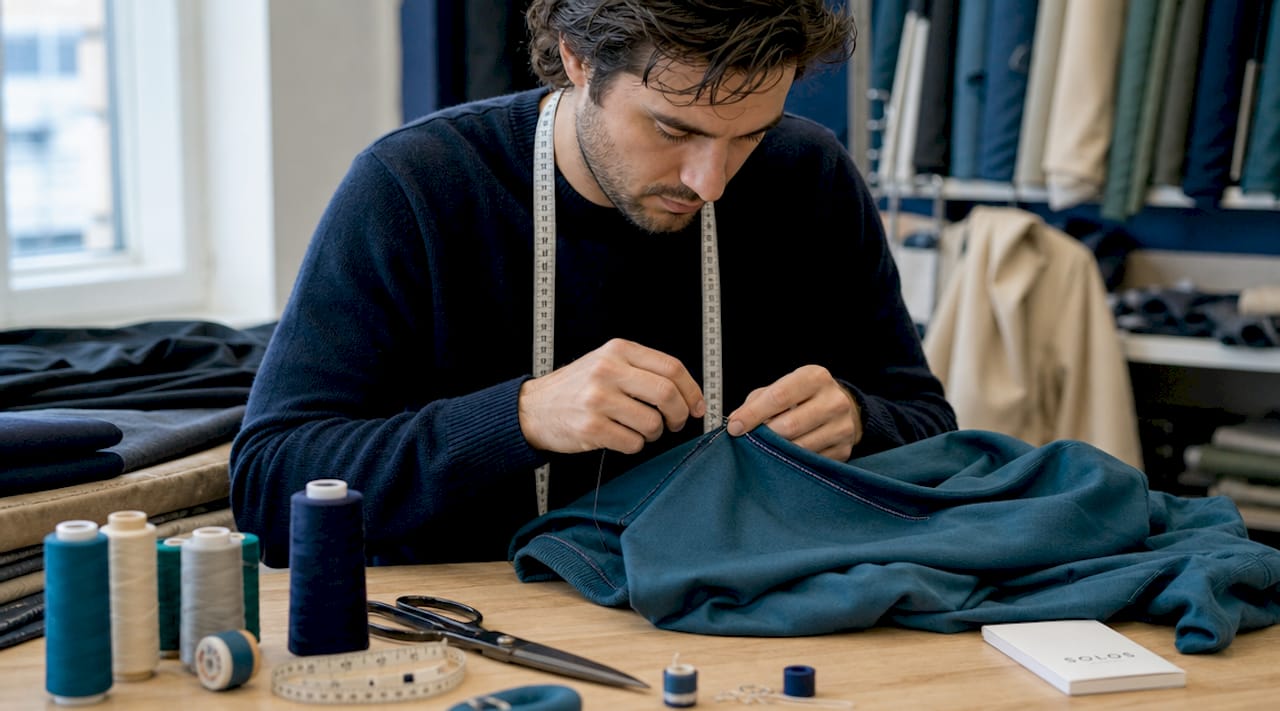
The physical mechanisms behind durability are measurable. Seam strength, pilling resistance, and colourfastness determine whether a garment survives real-life wear, repeated washing, and the friction of daily use. A t-shirt with reinforced seams and tightly woven pique cotton will outlast a loosely constructed equivalent by years, not months. That difference in lifespan is where the environmental benefit lives.
Cost-per-wear is the clearest way to quantify this. If a quality cotton polo costs $90 and you wear it 200 times, the cost per wear is $0.45. A $25 fast-fashion equivalent that pills and fades after 30 wears costs $0.83 per wear and ends up in landfill far sooner. Cost-per-wear framing increases the perceived affordability of high-quality garments, which motivates greener purchasing decisions. The maths and the environmental logic align.
Pro Tip: When assessing a garment’s quality at purchase, check the seam allowance (wider is stronger), tug the fabric gently to test weave tightness, and inspect the stitching density. More stitches per centimetre means the garment will hold together through more washes.
Look for these quality indicators before you buy:
- Seam allowance: At least 1.5 cm on stress points like shoulders and side seams
- Stitch density: Tight, even stitching with no loose threads at hems or cuffs
- Fabric weight: Heavier fabric generally signals better fibre quality and durability
- Colourfastness: Rub a damp cloth on the fabric. If colour transfers, it will fade fast
- Pilling resistance: Rub two sections of fabric together. Immediate balling is a warning sign
How fabric choice and laundering affect microfibre pollution
Microfibre pollution is one of the less visible but significant consequences of how we wash our clothes. Microfibres shed mainly during washing, particularly from synthetic and polyester fleece garments, and these tiny plastic particles pass through wastewater treatment systems and enter waterways. Choosing the right fabric and extending garment life both reduce how much of this pollution you generate.
The timing of shedding matters. Research shows that the first wash releases approximately 5.43g of PET microfibres, dropping to around 0.2g by the tenth wash. This means a garment you keep and wear for years sheds far less total microfibre over its lifetime than one you replace frequently. Every new cheap garment you buy restarts that high-shedding early cycle.
Fabric type also shapes how much shedding occurs. The table below shows measured shedding rates from a 2026 study published in Springer Nature:
| Fabric type | Microfibre release per 576 cm² |
|---|---|
| Towel | 7.67 mg |
| Fleece | 5.16 mg |
| Knit | 4.92 mg |
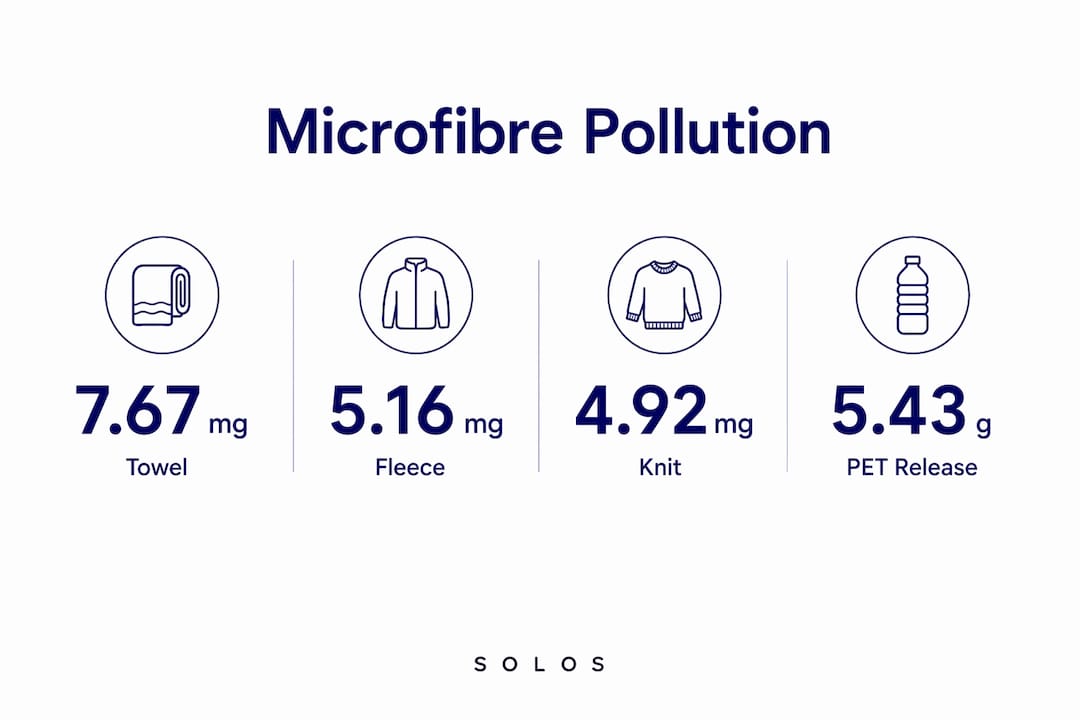
Shedding decreases over successive washes across all fabric types, reinforcing the case for keeping garments longer. Natural fibres like cotton also biodegrade, meaning the fibres that do shed are far less persistent in aquatic environments than polyester or nylon. For eco-conscious consumers, choosing cotton over synthetics is one of the most direct ways to reduce microfibre harm.
Pro Tip: Switch from powder to liquid detergent. Research shows powder detergent causes 1.7 to 1.9 times more microfibre release than washing without detergent, due to increased fabric friction. A gentle, cold-water cycle with liquid detergent protects both your garments and the waterways.
Fast fashion vs quality clothing: waste, carbon, and real costs
Low garment quality increases waste by shortening usable life, and each replacement cycle carries a full carbon cost. Rapid replacement can double or triple a garment’s carbon footprint compared to a quality piece worn for years. Fast fashion’s linear model, where garments are produced cheaply, worn briefly, and discarded, is structurally designed to generate waste.
The economic argument for quality is equally strong. Buying fewer, well-made garments that you keep longer substantially reduces climate impact compared to cycling through multiple cheap items. The secondhand market extends this logic further. A quality garment holds its structure and appearance well enough to be resold or donated, giving it a second life and delaying its path to landfill. A fast-fashion piece rarely survives long enough to be worth passing on.
Here is what investing in quality clothing delivers over time:
- Lower carbon footprint: Fewer production cycles mean less energy, water, and raw material use per garment worn
- Reduced textile waste: Durable garments stay out of landfill longer, cutting the volume of discarded clothing
- Better resale value: Well-constructed pieces from quality brands retain their shape and colour, making them viable on platforms like eBay or Depop
- Cost savings over time: Cost-per-wear calculations consistently favour quality over quantity across a two to three year horizon
- Reduced microfibre pollution: Keeping garments longer means fewer early-cycle high-shedding washes entering waterways
Sustainable fashion practices are not about spending more for the sake of it. They are about recognising that the true cost of cheap clothing is paid in environmental terms, not just financial ones.
How to choose and care for quality clothing to reduce waste
Assessing quality before purchase is a skill worth developing. Beyond the physical checks outlined earlier, look at the brand’s transparency around materials and manufacturing. Brands that publish information about their sustainability commitments and fibre sourcing are more likely to produce garments built to last. Certifications like GOTS (Global Organic Textile Standard) and OEKO-TEX signal that both the fabric and the production process meet verified standards.
Caring for your garments correctly is just as important as choosing them well. Washing less frequently is the single most effective habit change you can make. Most garments do not need washing after every wear. Airing a cotton t-shirt after use, spot-cleaning small marks, and rotating your wardrobe all reduce the number of wash cycles, which in turn reduces fibre degradation and microfibre shedding. An eco-friendly laundry routine extends garment life measurably.
Follow these steps to maintain and extend clothing life:
- Wash only when necessary. Spot-clean where possible and air garments between wears to reduce wash frequency.
- Use cold water and a gentle cycle. Heat degrades fibres faster and increases shedding. Cold water is effective for most everyday garments.
- Switch to liquid detergent. As noted above, powder detergents increase microfibre release significantly.
- Repair before replacing. A loose button, small tear, or worn hem is fixable. Keep a basic sewing kit and use it.
- Store garments properly. Fold knitwear rather than hanging it to prevent stretching. Use cedar blocks instead of chemical moth repellents.
- Choose versatile pieces. One versatile, durable piece worn across many occasions reduces the total number of garments you need, cutting your overall clothing footprint.
- Donate or resell before discarding. Clothing in reasonable condition can have a second life through op shops, clothing swaps, or online resale platforms.
Building a wardrobe around fewer, better pieces is the practical expression of sustainable fashion. It requires a shift in how you think about getting dressed, from assembling outfits from a large pile of options to working with a smaller, more considered set of garments you genuinely wear.
Key takeaways
Quality clothing reduces waste because longer garment life means fewer production cycles, less microfibre pollution, and a lower carbon footprint per wear.
| Point | Details |
|---|---|
| Durability cuts production cycles | Garments with strong seams, tight weaves, and colourfastness last years longer, reducing total textile waste. |
| Microfibre shedding is front-loaded | The first wash releases the most fibres; keeping garments longer lowers lifetime microfibre pollution. |
| Cost-per-wear favours quality | A $90 quality polo worn 200 times costs less per wear than a $25 fast-fashion piece worn 30 times. |
| Fabric choice matters | Natural fibres like cotton shed biodegradable fibres, unlike polyester or fleece which release persistent plastic microfibres. |
| Care habits extend garment life | Washing less, using liquid detergent, and repairing garments are the most direct ways to reduce clothing waste. |
What we have learned from building a quality-first wardrobe
The shift from buying frequently to buying well is not instant. When we first started paying attention to cost-per-wear at Soloslife, the instinct to reach for a cheaper option was still strong. The price tag feels like the whole story until you track how quickly that cheaper piece deteriorates.
What changed our thinking most was not the financial calculation. It was the microfibre research. Knowing that a new synthetic garment sheds the most in its first wash, and that buying a replacement restarts that cycle, made the environmental cost of fast fashion feel concrete rather than abstract. You are not just filling a bin. You are releasing plastic into waterways every time you wash something new.
The wardrobe that works best for sustainability is also the one that works best practically. Fewer pieces, each worn more often, means you know what you own and you reach for it confidently. A well-made cotton tee in a neutral colour is not a compromise. It is a considered choice that holds its shape, its colour, and its place in your wardrobe for years.
Style and sustainability are not in tension. The most sustainable garment is the one you actually wear, repeatedly, because it fits well and looks good. That is the standard worth buying to.
— Solos
Build your wardrobe with Soloslife
If you are ready to put these principles into practice, Soloslife makes it straightforward. Every piece in the collection is built from premium sustainable cotton, cut for a clean fit that holds its shape wash after wash. The focus is on garments you will reach for constantly, not ones that sit unworn after a season.
Soloslife’s men’s cotton tees and polos are designed with durability and sustainability at their core, using non-toxic dyes and responsible sourcing that aligns with the values behind this article. The brand’s sustainability commitments cover both materials and manufacturing, so you know exactly what you are investing in. Fewer garments, worn more often, made to last. That is the wardrobe worth building.
FAQ
Why does quality clothing produce less waste?
Quality clothing lasts longer, which means fewer replacements and fewer production cycles. Garments worn more frequently and longer require less total resource use, directly reducing textile waste.
What is cost-per-wear and why does it matter?
Cost-per-wear divides the price of a garment by the number of times you wear it. It reframes durability as a financial benefit, showing that a well-made piece is often cheaper in real terms than a fast-fashion alternative worn only a few times.
How does washing affect microfibre pollution?
Microfibre shedding is highest in the first wash and declines with repeated cycles. Keeping garments longer and washing less frequently reduces total microfibre release into waterways, particularly for synthetic fabrics like polyester fleece.
Is cotton better than synthetic fabric for the environment?
Cotton fibres biodegrade, whereas polyester and nylon shed persistent plastic microfibres that accumulate in aquatic environments. For eco-conscious consumers, cotton construction reduces both microfibre pollution and long-term environmental harm.
How can I extend the life of my clothing?
Wash garments only when necessary using cold water and liquid detergent, repair minor damage promptly, store pieces correctly, and choose versatile items you will wear across many occasions. These habits reduce waste more effectively than recycling alone.


