

TL;DR:
- Cotton’s natural properties, including high moisture regain and breathability, make it the most comfortable clothing material. Its open fibre structure and varied weaves support skin contact, temperature regulation, and moisture management better than synthetics. Quality construction and minimal chemical processing further enhance cotton’s superior comfort and suitability for sensitive skin.
Cotton is defined as the most comfortable clothing material because its natural cellulose fibres deliver a combination of breathability, moisture absorption, and tactile softness that synthetic alternatives cannot replicate at the same level. Understanding why cotton earns this reputation goes beyond marketing. The science behind its fibre structure explains why a well-made cotton tee feels so different from a polyester one after a long day. Whether you have sensitive skin, live in a warm climate, or simply want clothing that works with your body rather than against it, the benefits of cotton fabric are grounded in measurable, repeatable properties. The high-quality cotton construction in a garment amplifies every one of those natural advantages.
Why is cotton the most comfortable material to wear?
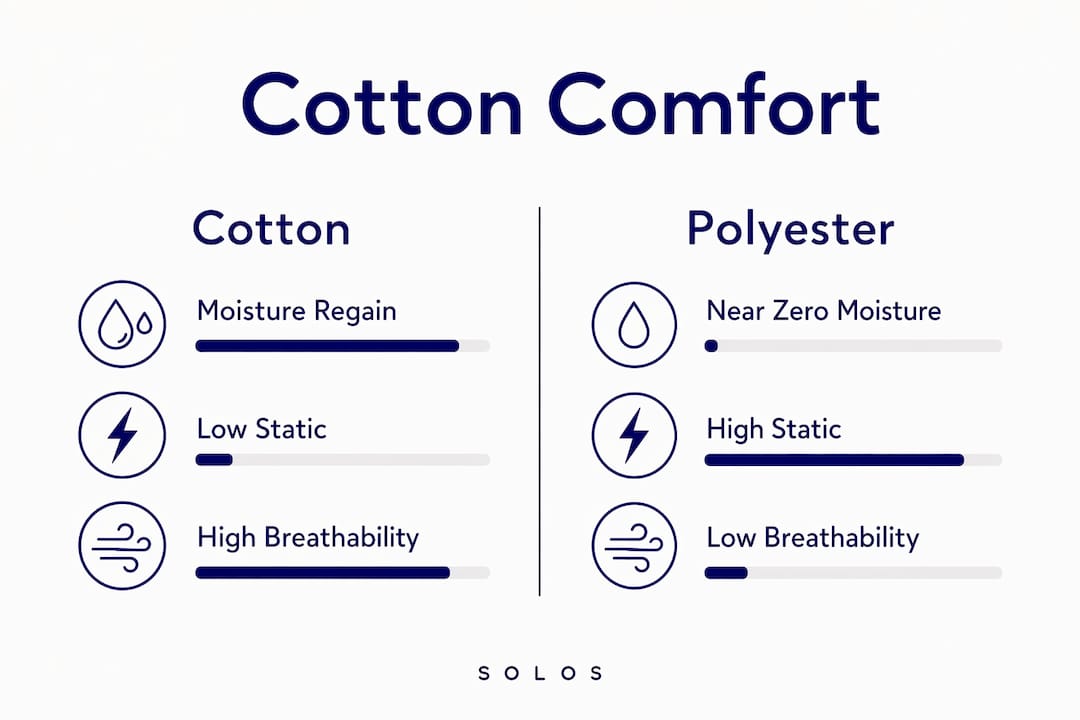
Cotton’s comfort advantage begins at the fibre level. Cotton fibres are hydrophilic, meaning they attract and absorb water molecules readily. The industry-standard moisture regain for cotton sits at approximately 8.5%, compared to polyester’s 0.4%. That gap explains why polyester feels clammy within an hour of wear while cotton keeps drawing perspiration away from the skin.
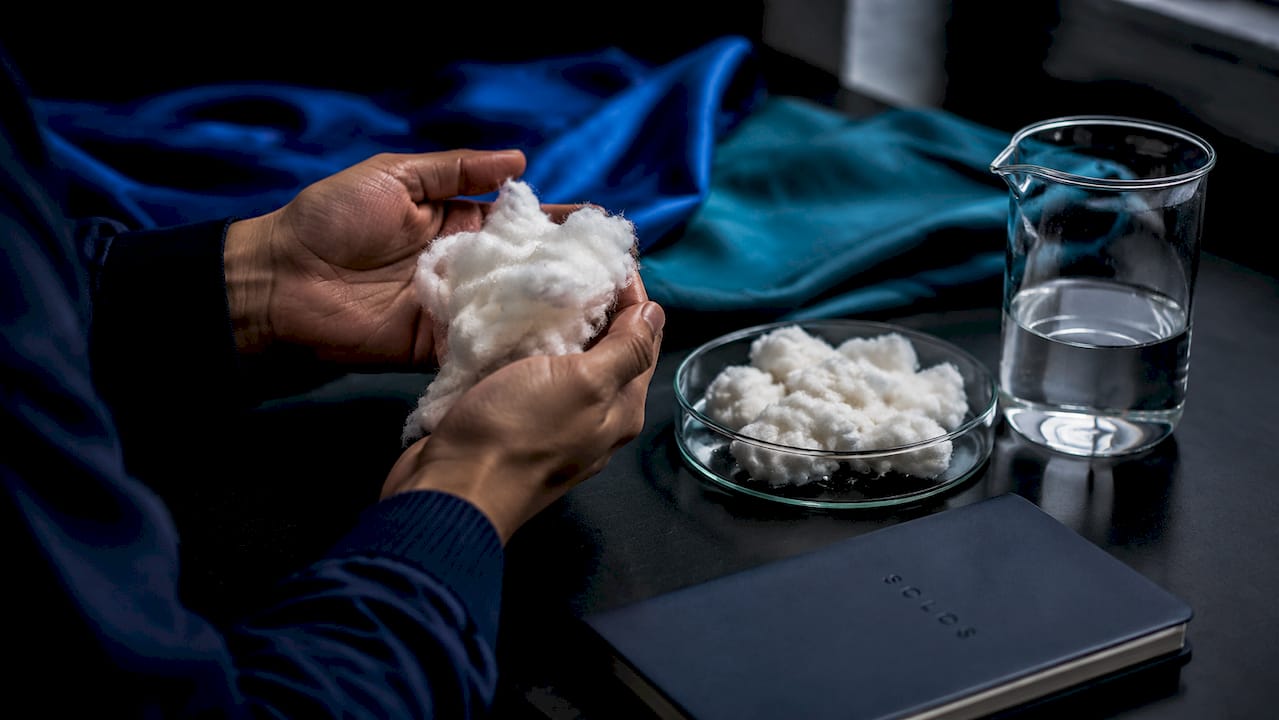
Moisture regain is not just about sweat absorption. When cotton fibres hold moisture, the water acts as a plasticiser, softening the polymer chains within each fibre. This is why a cotton shirt often feels softer after washing than before. The fibre physically relaxes when hydrated, reducing surface friction against your skin.
There is also a static electricity dimension. Synthetic fibres with near-zero moisture regain build up electrical charge throughout the day, causing fabric to cling and spark. Cotton’s moisture reduces static build-up, keeping the garment draping naturally and comfortably. For anyone who has peeled a polyester shirt off at the end of a summer day, this distinction is immediately recognisable.
| Property | Cotton | Polyester |
|---|---|---|
| Moisture regain | ~8.5% | ~0.4% |
| Static build-up | Low | High |
| Skin feel when damp | Soft, absorbent | Clammy, clingy |
| Fibre base | Natural cellulose | Synthetic polymer |
Pro Tip: Wash new cotton garments before wearing them. The first wash removes residual sizing agents and allows fibres to hydrate fully, unlocking the softness the fabric is capable of.
How does breathability affect cotton’s comfort levels?
Breathability is the second pillar of cotton’s comfort, and it is measurable. Cotton fabric tested under ISO 9237:1995 standards averages approximately 270 mm/s for air permeability. This means air moves through the fabric at a rate that supports continuous moisture vapour transport, keeping the microclimate between your skin and the garment regulated.
Air permeability is not fixed. Fabric weave, thread count, and surface finishes all modify how freely air passes through. A loosely woven cotton jersey allows more airflow than a tightly woven cotton canvas. Dense weaves and certain chemical finishes can occlude the micro-channels within the fabric, reducing breathability even in a natural fibre. This is why two garments labelled “100% cotton” can feel entirely different to wear.
Fabric engineering has shown that breathability can be restored in treated cotton by reopening those micro-channels, even after surface modifications for antibacterial or water-resistant properties. The underlying fibre structure supports this recovery in a way that synthetics do not. Cotton’s architecture is fundamentally open and porous, which is why it remains the benchmark for thermal comfort in clothing.
For practical purposes, this means a cotton shirt actively assists your body’s cooling system. Sweat evaporates through the fabric rather than pooling against the skin. The result is a drier, cooler feeling that synthetic fabrics with low moisture regain simply cannot match in everyday wear conditions.
Pro Tip: For warm-weather wear, choose a plain weave or single-jersey cotton rather than a heavy twill or canvas. The lighter construction preserves the air permeability that makes cotton feel genuinely cool.
Is cotton good for sensitive skin?
Cotton is widely recommended for sensitive skin because its cellulose-based fibres are smooth, soft, and free from the coarse protein structures found in wool. Where low-grade wool causes prickling through a mechanical irritation response, cotton fibres glide smoothly against the skin without triggering that reaction. This is why dermatologists and paediatric guidelines consistently recommend cotton for eczema sufferers and infant clothing.
The hypoallergenic reputation of cotton, however, depends on more than the fibre itself. Processing matters significantly. Conventional cotton garments may carry residues from pesticides, bleaching agents, optical brighteners, and synthetic dyes. These chemical residues are the more common cause of skin reactions attributed to “cotton sensitivity,” not the fibre itself.
Organic cotton addresses this directly. Organic cotton retains more natural softness and reduces exposure to chemical irritants because it avoids the harsh treatments that strip natural waxes from the fibre surface. Those natural waxes contribute to the smooth, gentle feel that makes cotton so comfortable against skin.
Key reasons cotton suits sensitive skin:
- Smooth fibre surface. Cellulose fibres lack the protein scales that cause wool’s prickling sensation.
- Natural breathability. Airflow through the fabric reduces heat and moisture build-up, both of which aggravate skin conditions like eczema.
- Low allergen potential. The fibre itself is not a common allergen. Reactions typically trace back to processing chemicals, not the cotton.
- Organic options. Certified organic cotton, such as GOTS-certified fabric, eliminates most chemical processing residues for maximum skin compatibility.
- Moisture management. Cotton absorbs perspiration rather than trapping it, reducing the damp conditions that irritate sensitive skin.
How does weave type change cotton’s comfort?
Not all cotton fabric is equal, and the weave structure is the clearest reason why. The same cotton fibre spun into different constructions produces dramatically different comfort outcomes.
-
Plain weave. The most common construction, used in poplin and broadcloth. It produces a smooth, breathable surface with moderate moisture absorption. Good for shirts and warm-weather garments.
-
Jersey knit. A looped construction that gives cotton its characteristic stretch and softness in T-shirts. The open loop structure increases air permeability and makes the fabric feel lighter against the skin.
-
Waffle weave. A textured relief structure that shows the greatest hygroscopicity among cotton fabric types examined in recent studies. The raised grid pattern increases surface area, drawing more moisture away from the skin.
-
Satin weave. A smooth, lustrous surface with fewer interlacing points. It feels silky but has lower breathability than plain or jersey constructions. Better suited to cooler conditions or layering.
-
Twill weave. A diagonal rib structure used in denim and chinos. Durable and structured, but denser, which reduces airflow. Comfort comes from durability and drape rather than breathability.
The practical takeaway is that fabric construction modifies cotton’s comfort by changing air flow and moisture dynamics at the surface level. Choosing the right weave for the right occasion is as important as choosing cotton itself. A waffle-knit cotton towel and a cotton canvas jacket are both 100% cotton, but they perform entirely differently as wearable comfort garments.
Cotton vs other materials: how does it compare?
Cotton holds a strong position across multiple comfort metrics, but it is not the highest performer in every single category. A University of Manchester comparative study on sensory comfort quantified differences across eco-friendly textiles, providing a clear picture of where cotton leads and where alternatives have specific advantages.
| Fabric | Air permeability | Moisture regain | Tactile softness | Thermal comfort |
|---|---|---|---|---|
| Cotton | ~270 mm/s | ~8.5% | High | Excellent |
| Bamboo | ~695 mm/s | ~11–13% | Very high | Very good |
| Polyester | Variable | ~0.4% | Moderate | Poor (damp) |
| Hemp | Moderate | ~12% | Moderate (raw) | Good |
| Wool | Low | ~16% | Variable | Excellent (cold) |
Bamboo fabric excels in air permeability at 695 mm/s, which is more than double cotton’s average. It also has a higher moisture regain. So why does cotton remain the dominant choice? The answer lies in balance, availability, and durability. Cotton’s combination of thermal regulation, moisture management, tactile feel, and structural integrity across different weaves makes it the most versatile comfort fabric. Bamboo, while impressive in specific metrics, is more limited in construction variety and tends to degrade faster with repeated washing.
Polyester’s near-zero moisture regain is the key reason it feels uncomfortable in warm conditions. It traps heat and moisture against the skin rather than managing them. Hemp performs well in moisture regain but its raw form lacks the tactile softness that makes cotton so wearable. Wool excels in cold-weather thermal comfort but is unsuitable for warm climates and sensitive skin. Cotton remains the benchmark because it balances thermal and moisture properties better than most alternatives across the widest range of conditions. For a deeper look at how cotton stacks up, the cotton vs synthetics comparison covers the practical wardrobe implications in detail.
Key takeaways
Cotton is the most comfortable material because its natural fibre properties, including an 8.5% moisture regain, measurable breathability, and smooth cellulose structure, work together to manage heat, moisture, and skin contact better than most alternatives.
| Point | Details |
|---|---|
| Moisture regain advantage | Cotton’s 8.5% moisture regain keeps skin dry and reduces static, unlike polyester at 0.4%. |
| Breathability is measurable | Cotton averages 270 mm/s air permeability, supporting continuous thermal regulation during wear. |
| Weave determines performance | Waffle and jersey weaves maximise cotton’s hygroscopicity; dense weaves reduce it significantly. |
| Sensitive skin compatibility | Organic cotton removes chemical residues, making it the safest choice for eczema-prone or reactive skin. |
| Cotton leads in balance | No single fabric beats cotton across breathability, moisture, softness, and durability combined. |
Why I think cotton’s comfort story is more nuanced than most people realise
Here at Soloslife, we work closely with cotton from sourcing through to finished garment, and the most common misconception we encounter is that all cotton is equally comfortable. It is not. The fibre science is only the starting point.
We have seen premium-grade ring-spun cotton outperform cheaper open-end spun cotton in tactile softness by a noticeable margin, even when both garments carry the same “100% cotton” label. Ring-spun fibres are twisted more tightly and consistently, producing a smoother yarn surface. The difference is immediately apparent when you hold both garments.
The other thing worth saying plainly: finishing matters as much as fibre. A cotton shirt treated with formaldehyde-based wrinkle-resistant finishes may feel stiff and cause skin reactions, while an unfinished or naturally processed cotton shirt from the same base fabric feels entirely different. This is why we prioritise non-toxic dyes and minimal chemical processing at Soloslife. The goal is to let the fibre do what it does naturally.
My honest advice is to look beyond the fibre content label. Ask about the yarn type, the weave, and the finishing process. A well-constructed cotton garment from a brand that takes sourcing seriously will outlast and outperform a cheaply finished alternative in both comfort and longevity. The sustainable cotton fabric guide we put together covers the key fabric types worth knowing before you buy.
— Solos
Experience cotton comfort done right with Soloslife
If the science behind cotton’s comfort has you reconsidering what you reach for each morning, Soloslife makes that choice straightforward.
Our range of premium cotton T-shirts and polos is built on ring-spun organic cotton, non-toxic dyes, and construction methods that preserve the fibre’s natural breathability and softness. Every piece is designed for all-day wear, from the office to the weekend, without compromise on feel or ethics. We source responsibly and manufacture with sustainability at the centre of every decision, so you get a garment that is genuinely comfortable and genuinely considered. Explore the full collection and feel the difference that proper cotton construction makes.
FAQ
Why does cotton feel more comfortable than polyester?
Cotton’s moisture regain of approximately 8.5% allows it to absorb perspiration and release it through evaporation, while polyester’s 0.4% regain causes moisture to sit against the skin, creating a clammy, uncomfortable feeling.
Is organic cotton softer than regular cotton?
Organic cotton tends to be softer because it avoids harsh chemical treatments that strip the natural waxes from fibre surfaces. Those waxes contribute directly to the smooth, gentle feel that makes cotton comfortable against skin.
Which cotton weave is the most breathable?
Jersey knit and plain weave constructions offer the highest air permeability in cotton fabrics. Waffle weave provides the greatest moisture absorption, making it ideal for activewear and towelling applications.
Can cotton be worn comfortably in hot weather?
Cotton is one of the best fabrics for hot weather because its breathability and moisture absorption work together to support the body’s natural cooling process. Lightweight plain weave and jersey constructions perform best in warm conditions.
Is cotton better than bamboo for comfort?
Bamboo has higher air permeability and moisture regain than cotton in laboratory measurements, but cotton’s broader range of weave constructions, greater durability, and consistent tactile softness make it the more practical and versatile comfort fabric for everyday clothing.


