

TL;DR:
- Jersey cotton is a flexible, soft, single-knit fabric made from interlocking cotton loops that provide natural stretch and comfort. Its knit structure ensures breathability, moisture absorption, and versatility across various garment types, from T-shirts to dresses. Since it is durable and long-lasting, choosing high-quality jersey cotton supports sustainability and wardrobe longevity.
Jersey cotton is defined as a single-knit fabric made from interlocking cotton loops that create natural stretch, softness, and a body-hugging drape. That structure is the core reason why jersey cotton is so popular across T-shirts, loungewear, activewear, and dresses worldwide. Unlike woven fabrics, jersey moves with your body without requiring added elastic. Coco Chanel recognised this quality in the early 1900s, and modern manufacturing has only deepened the fabric’s appeal. If you have ever reached for the same soft tee on repeat, jersey cotton is almost certainly why.
How does the knit structure of jersey cotton create comfort and stretch?
Jersey cotton’s comfort comes directly from its construction. Single-knit interlocking loops produce mechanical stretch that allows the fabric to give and recover without any added elastic. That means the garment moves when you move, rather than pulling or restricting.
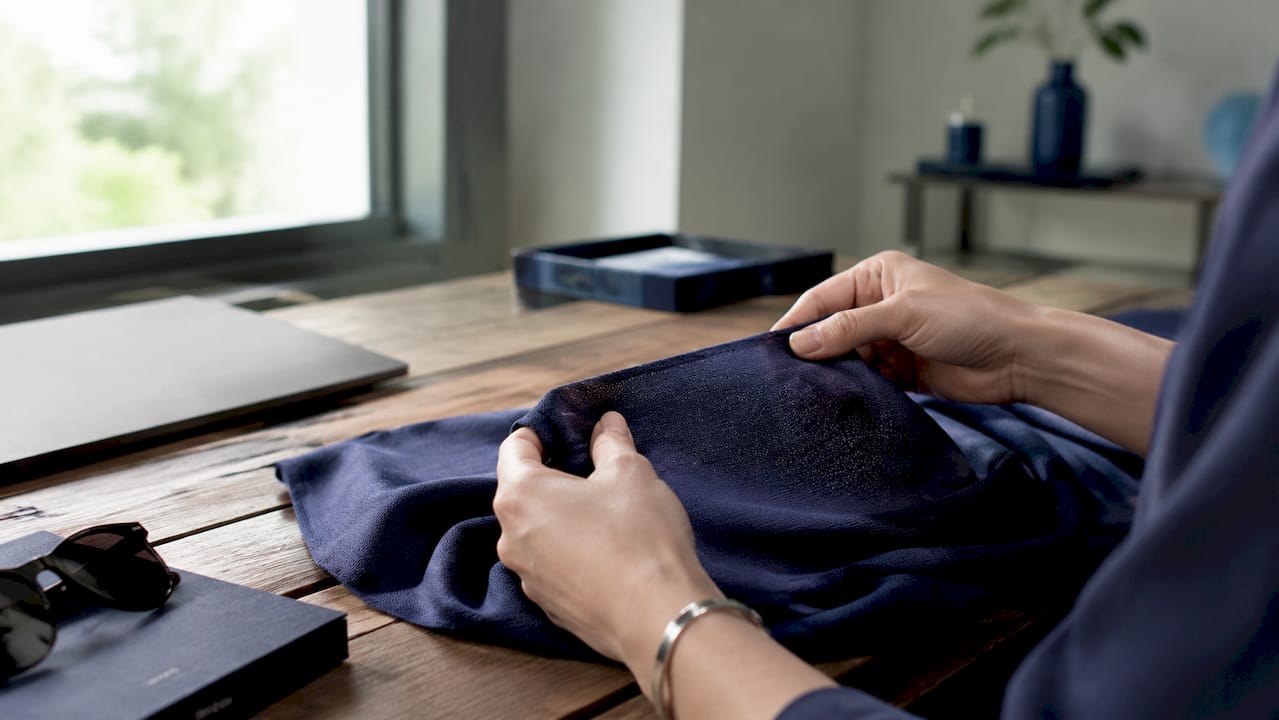
This is the key difference between jersey and woven cotton. Woven fabrics interlock threads at right angles, which limits stretch to the diagonal bias. Jersey loops, by contrast, flex in multiple directions. The result is a fabric that drapes softly against the body and returns to shape after wear.
The type of yarn used also shapes the final feel. Ring-spun or combed cotton yarns produce a smoother, softer surface than standard carded yarns. Premium jersey garments almost always use one of these yarn types. You can feel the difference immediately when you handle a quality piece.
Blending cotton with spandex changes the stretch profile further. Cotton-spandex blends deliver four-way stretch and better recovery compared to 100% cotton jersey, which offers two-way stretch. That distinction matters for activewear and fitted silhouettes where the fabric needs to snap back after repeated movement.
- 100% cotton jersey: two-way stretch, natural breathability, ideal for casual and relaxed fits
- Cotton-spandex jersey: four-way stretch, improved recovery, suited to activewear and body-conscious cuts
- Ring-spun cotton jersey: smoother surface, premium hand feel, used in higher-end basics
- Combed cotton jersey: finer texture with short fibres removed, reduces pilling over time
Pro Tip: Check the fabric label before buying. A small percentage of spandex (around 5%) adds recovery without sacrificing the natural feel of cotton.
What makes jersey cotton breathable and suitable for various climates?
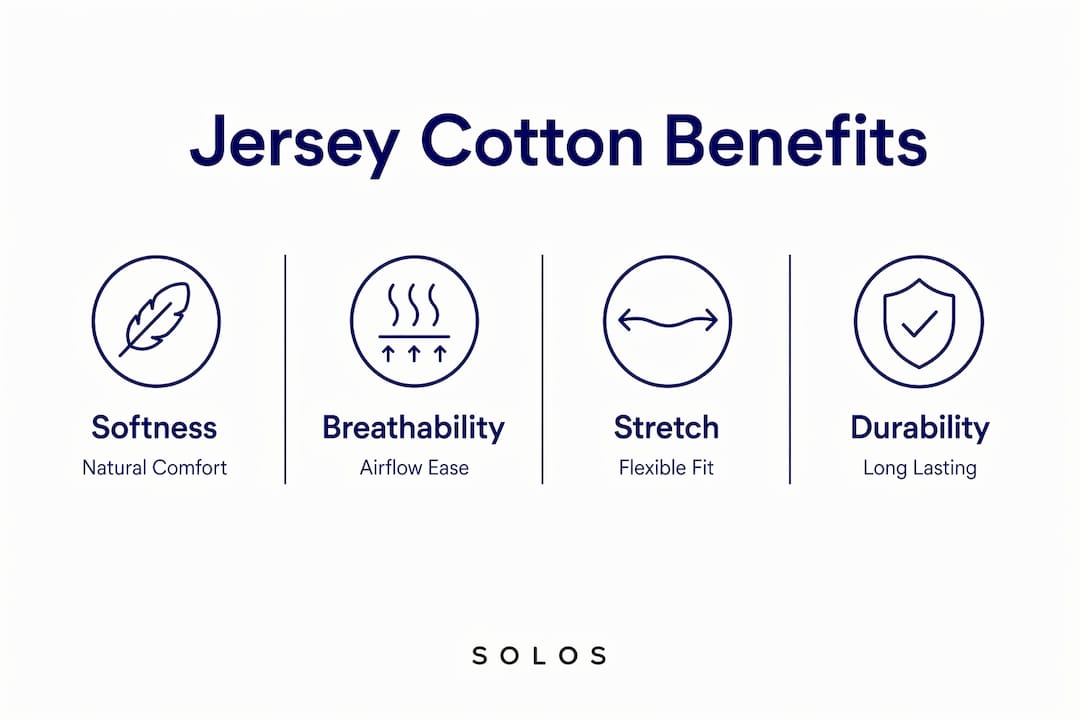
Jersey cotton’s breathability is a direct product of its knit structure. The open loops between interlocked fibres allow air to circulate freely against the skin. That airflow keeps body temperature regulated during warm weather or physical activity.
Cotton fibres also absorb and release moisture efficiently. Knit loops improve air circulation while cotton fibres wick moisture away from the skin, making jersey a reliable choice for hot-weather wear and base layers. Synthetic fabrics like polyester trap heat and moisture more readily, which is why cotton jersey remains the preferred choice for everyday comfort.
The benefits of jersey cotton in different climates break down clearly:
- Warm weather: Open knit loops promote airflow and reduce heat build-up against the skin.
- Humid conditions: Cotton fibres absorb perspiration and allow it to evaporate, reducing that clammy feeling.
- Layering in cooler months: Lightweight jersey sits close to the body as a base layer without adding bulk.
- Active use: Moisture absorption keeps skin drier during low to moderate activity compared to many synthetic blends.
Woven cotton offers similar breathability in still air, but jersey’s loop structure gives it an edge in movement-based situations. The fabric flexes with the body, which means air pockets between the garment and skin shift constantly. That movement creates a natural ventilation effect that woven fabrics cannot replicate as effectively.
In what ways is jersey cotton versatile within fashion and garment types?
Jersey cotton’s versatility comes from one simple fact: the same knit structure scales across different fabric weights. A lightweight jersey at around 150 gsm suits a fitted T-shirt. A midweight jersey at 200–250 gsm works for dresses, sweatshirts, and loungewear. The same knit structure, scaled by density and weight, enables a remarkably wide range of garments from a single fabric category.
That range is one of the strongest jersey cotton advantages for both designers and everyday shoppers. You can build an entire wardrobe around jersey cotton basics without the fabric ever feeling repetitive.
| Garment type | Jersey weight | Key benefit |
|---|---|---|
| T-shirts and singlets | Lightweight (140–160 gsm) | Soft against skin, easy to layer |
| Casual dresses | Lightweight to midweight | Drapes well, moves with the body |
| Loungewear and pyjamas | Midweight (180–220 gsm) | Warm, stretchy, and comfortable |
| Activewear | Midweight with spandex blend | Four-way stretch and recovery |
| Children’s clothing | Lightweight to midweight | Gentle on skin, durable through washing |
The natural stretch and recovery of jersey also gives designers flexibility in silhouette. A relaxed fit and a body-conscious cut can both use the same base fabric. The knit simply behaves differently depending on how the pattern is cut and how much ease is built in. That adaptability is why jersey cotton uses span from fast fashion basics to considered wardrobe staples.
Pro Tip: When shopping for jersey cotton pieces, look for a fabric weight listed on the product page. Lightweight jersey wrinkles less and layers better; midweight holds its shape more independently.
How has jersey cotton’s fashion history influenced its popularity?
Jersey cotton did not begin as a fashion fabric. Its earliest uses were functional: hosiery, undergarments, and workwear where stretch and durability mattered more than appearance. The fabric was practical and inexpensive, which made it useful but not aspirational.
That changed in the early 1900s. Coco Chanel’s adoption of jersey in her sportswear collections transitioned the fabric from functional to fashionable. Chanel used jersey to liberate women’s clothing from the rigid, restrictive silhouettes of the era. The fabric’s softness and drape allowed for relaxed, elegant shapes that moved with the body rather than constraining it.
That shift was significant. Jersey went from being associated with undergarments to being worn as outerwear by women who valued both comfort and style. Chanel’s influence made jersey a symbol of modern, liberated dressing. That association has never fully left the fabric.
The transition from practicality to chic everyday staple reinforced jersey’s mainstream status across the following decades. Sportswear brands adopted it for athletic wear in the mid-20th century. By the 1980s and 1990s, jersey T-shirts and dresses were wardrobe staples across every demographic. The fabric’s history is one of the clearest examples of function becoming fashion through a single influential moment.
What sustainability factors contribute to jersey cotton’s appeal?
Durability is the most underrated sustainability argument for jersey cotton. A well-made jersey garment worn regularly over several years has a significantly lower per-use carbon footprint than a cheaper piece replaced after a season. Extending garment lifetime can halve the per-use environmental impact of clothing. That makes buying quality jersey cotton one of the most practical sustainability choices available.
Production efficiency also matters. Circular knitting machines enable efficient mass production of jersey cotton with minimal fabric waste. Unlike woven fabrics cut from flat panels, jersey knit produced on circular machines generates less offcut waste. That efficiency supports jersey’s dominance in casualwear basics from both a cost and environmental perspective.
The choice of cotton source adds another layer. Organic cotton jersey, produced without synthetic pesticides or fertilisers, reduces the chemical load on soil and waterways. Paired with low-impact dye options, organic jersey cotton sits at the more responsible end of the fabric spectrum. Certifications like GOTS (Global Organic Textile Standard) give you a reliable way to verify those claims at the point of purchase.
Care practices extend garment life and reduce ongoing environmental impact. Washing jersey cotton in cold water, avoiding the dryer where possible, and turning garments inside out before washing all preserve the fabric’s structure. Reducing wash frequency and choosing cold cycles can significantly lower the use-phase emissions of any jersey garment.
- Buy quality over quantity: A durable jersey tee worn 200 times beats two cheap ones worn 80 times each.
- Choose organic or certified cotton: Look for GOTS or OEKO-TEX labels to verify responsible sourcing.
- Wash cold and air dry: Heat degrades cotton fibres and increases energy use per wash cycle.
- Avoid overwashing: Spot-clean where possible to extend the time between full washes.
- Store flat or folded: Hanging jersey garments on wire hangers stretches the neckline over time.
Pro Tip: Turn your jersey cotton garments inside out before washing. This protects the outer surface from friction in the drum, which reduces pilling and keeps the colour looking fresh for longer.
Key takeaways
Jersey cotton’s popularity comes down to one core truth: its knit structure delivers comfort, breathability, and versatility that woven fabrics and synthetics cannot replicate at the same price point.
| Point | Details |
|---|---|
| Knit structure drives comfort | Interlocking loops create natural stretch and soft drape without added elastic. |
| Breathability suits all climates | Open loops promote airflow; cotton fibres absorb and release moisture efficiently. |
| Versatility across garment types | The same knit scales from lightweight tees to midweight dresses and loungewear. |
| Fashion history reinforces appeal | Coco Chanel’s early 1900s sportswear made jersey a symbol of comfort and style. |
| Durability supports sustainability | Longer-lasting jersey garments reduce per-use environmental impact significantly. |
Why jersey cotton remains my fabric of choice in 2026
I have spent years thinking carefully about what goes into a well-built wardrobe, and jersey cotton keeps coming back as the answer to most questions. Not because it is trendy, but because it solves real problems. It moves with you. It breathes. It washes well and holds its shape when you treat it right.
What I find most interesting is how few people understand the difference between a quality jersey and a cheap one. The yarn processing matters enormously. A ring-spun or combed cotton jersey feels noticeably different from a standard carded version. That difference is worth paying for, because the garment lasts longer and feels better throughout its life.
The sustainability angle has also shifted how I think about jersey cotton. Choosing a well-made jersey piece and caring for it properly is a more meaningful choice than buying certified organic cotton that gets replaced every season. Longevity is the real metric. A jersey tee that lasts three years and gets worn twice a week is a genuinely low-impact garment.
My honest advice: invest in fewer, better jersey cotton pieces. Learn your fabric weights. Wash cold, air dry, and store them folded. The fabric will reward that care with years of reliable wear.
— Solos
Premium jersey cotton basics from Soloslife
Jersey cotton’s appeal is clear: comfort, breathability, and durability built into the fabric itself. Soloslife applies that understanding to every piece in its collection, using sustainable cotton sourced and manufactured with non-toxic dyes and ethical production practices.

Soloslife’s premium men’s cotton T-shirts and polos are built for everyday wear without compromise. Each piece uses quality cotton construction to deliver the softness and longevity that jersey cotton is known for. For readers who want to understand the full picture behind the fabric choices, Soloslife’s sustainability commitments detail the sourcing and manufacturing standards behind every garment. Quality basics, made to last.
FAQ
What is jersey cotton fabric?
Jersey cotton is a single-knit fabric made from interlocking cotton loops that produce natural stretch, softness, and a smooth drape. It is the most common fabric used in T-shirts, casual dresses, and loungewear.
How does jersey cotton differ from woven cotton?
Woven cotton interlocks threads at right angles, limiting stretch to the diagonal bias. Jersey cotton’s loop structure stretches in multiple directions, making it more flexible and comfortable for fitted or active garments.
Is jersey cotton good for hot weather?
Jersey cotton is well-suited to warm climates. Its open knit loops promote airflow and its cotton fibres absorb and release moisture, keeping the wearer cooler than most synthetic alternatives.
Does jersey cotton shrink after washing?
100% cotton jersey can shrink slightly in hot water or a hot dryer. Washing in cold water and air drying preserves the fabric’s shape and extends garment life.
What is the difference between cotton jersey and cotton-spandex jersey?
Pure cotton jersey offers two-way stretch from its knit structure. A cotton-spandex blend delivers four-way stretch with better recovery, making it more suitable for activewear and body-conscious silhouettes.


