

TL;DR:
- Well-made sustainable clothing features verified certifications like GOTS and OEKO-TEX, high stitch density, and durable construction. The fabric choice is crucial; natural fibers like organic cotton and linen offer environmental benefits and longevity, while recycled polyester and Tencel are strong options for activewear and delicate garments. Checking for active certifications and inspecting construction details ensures clothing is both environmentally responsible and built to last.
Well-made sustainable clothing is defined by three verifiable qualities: certified ethical production, durable construction, and materials chosen for environmental integrity. The signs of well-made sustainable clothing go well beyond a green logo on a hangtag. Certifications like GOTS and OEKO-TEX Standard 100, combined with high stitch density, finished internal seams, and fibres like organic cotton and linen, are the real indicators that a garment is built to last and produced responsibly. Buying fewer, durable and versatile pieces extends garment life and reduces carbon impact far more than most shoppers realise.
1. Signs of well-made sustainable clothing start with the fabric
The fabric is the first and most telling indicator of a garment’s sustainability credentials. Natural and organic fibres like organic cotton and linen carry environmental advantages that synthetic alternatives rarely match. Organic cotton avoids pesticides and harmful chemicals, directly linking fibre choice to both environmental and human health outcomes.
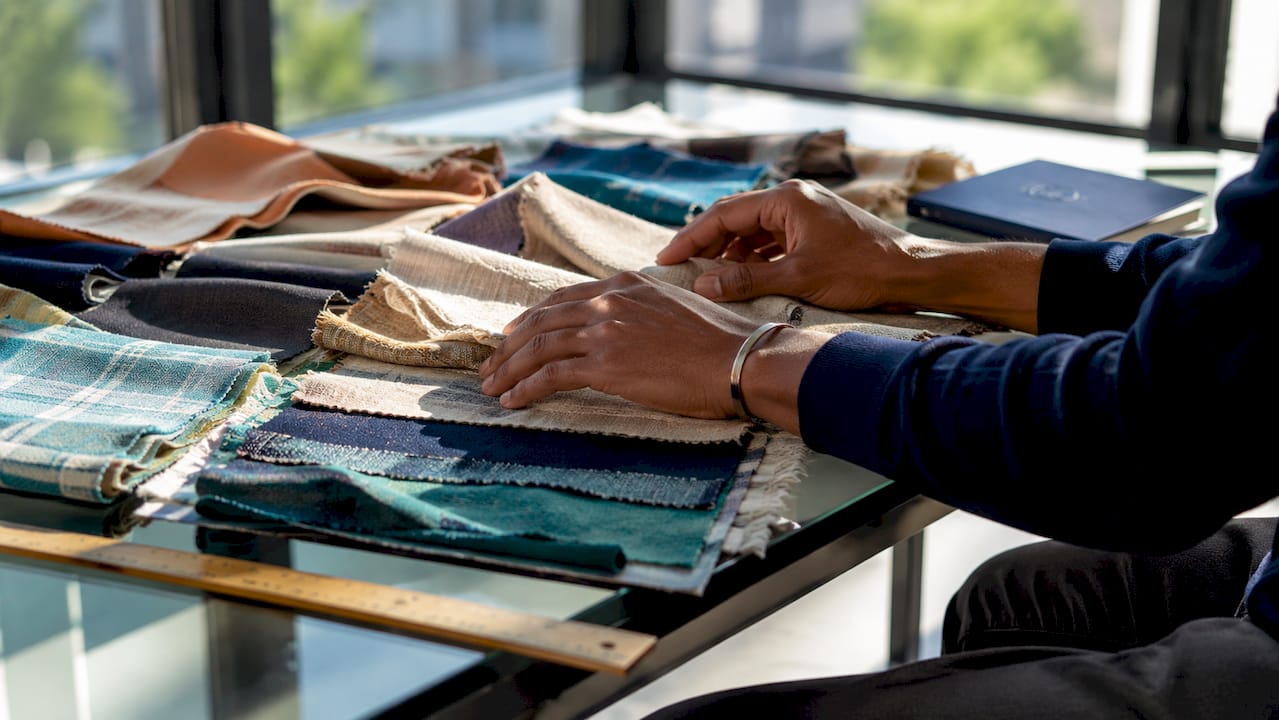
Linen is one of the most compelling choices in sustainable fashion. It is strong, naturally moth resistant, and fully biodegradable when left untreated. Linen also becomes softer and more pliable with every wash, which means the garment actually improves with age rather than degrading. That quality is a hallmark of genuinely eco-friendly fabric choices.
Recycled polyester made from post-consumer plastic bottles reduces virgin resource use, though it does shed microfibres during washing. Tencel (lyocell) is produced in a closed-loop process that recaptures solvents, making it a strong option for delicate garments. Silk is naturally durable and biodegradable, but its production ethics vary widely, so certification matters here.
- Organic cotton: Grown without synthetic pesticides; softer on skin and lower environmental impact
- Linen: Biodegradable, strengthens with washing, requires minimal water and pesticides to grow
- Recycled polyester (rPET): Diverts plastic waste; best used in activewear where durability is prioritised
- Tencel/lyocell: Closed-loop production; breathable and suitable for warm-weather garments
- Conventional polyester or virgin nylon: High carbon footprint; avoid as primary fabric in sustainable garments
Pro Tip: Check the fabric composition label before anything else. If a garment lists “100% organic cotton” or “GOTS-certified linen,” that claim is verifiable. If it simply says “eco blend” with no fibre breakdown, treat it as a marketing phrase until proven otherwise.
2. How do ethical certifications verify sustainable clothing claims?
Certifications are the most reliable way to confirm that a brand’s sustainability claims are independently verified. Each certification answers a different question, and knowing which one to look for saves you from being misled by marketing language alone.
GOTS certification covers organic fibre content alongside strict environmental and social criteria. It restricts toxic chemicals, requires proper wastewater treatment, and mandates fair labour practices throughout the supply chain. GOTS is the gold standard for organic textiles.
OEKO-TEX Standard 100 confirms that a finished textile product meets harmful substance limits. It focuses specifically on chemical safety and requires annual certificate renewal to remain valid. It also applies stricter criteria to baby and infant items, which reflects how seriously the standard takes skin contact risk. OEKO-TEX Standard 100 does not certify organic farming or labour conditions, so it answers a different question than GOTS.
Bluesign certifies responsible resource use in textile manufacturing, including water, energy, and chemical management. GRS (Global Recycled Standard) tracks recycled fibre content through the supply chain, making it the right label to look for on recycled polyester or rPET garments. Treat certifications as verification tools for specific claims, not as blanket proof of overall sustainability.
| Certification | What it verifies | What it does not cover |
|---|---|---|
| GOTS | Organic fibre, chemical restrictions, fair labour | Chemical safety of finished product only |
| OEKO-TEX Standard 100 | Harmful substance limits in finished textiles | Farming practices, labour conditions |
| Bluesign | Resource efficiency in manufacturing | Fibre origin or labour standards |
| GRS | Recycled content traceability | Environmental impact of manufacturing |
Pro Tip: When shopping online, search the brand name on the GOTS or OEKO-TEX public databases to confirm the certificate is current. A logo on a website is not the same as an active, verified certification.
3. Which garment construction features indicate long-lasting apparel?
Construction quality is where sustainability and durability intersect most clearly. A garment made from certified organic cotton but sewn with poor technique will still fail early. The stitching, seam finishing, and reinforcement details tell you whether a piece was built to last.
High stitch density, straight stitching with no puckering, finished internal seams, and matching patterns at seams are the primary indicators of quality construction. Puckering along a seam signals tension imbalance during sewing. That tension imbalance causes the seam to pull and eventually tear under normal wear. Seam allowance evenness and precise stitch placement reveal craftsmanship that goes beyond what a casual glance catches.
Internal seam finishes matter as much as external stitching. French seams encase raw edges completely, preventing fraying without any additional finishing. Bound edges use a separate strip of fabric to wrap the seam allowance, which is common in quality tailoring. Both methods extend garment life significantly compared to an unfinished or overlocked edge on a budget piece.
Bar-tack stitching at stress points like pocket corners and zipper bases reinforces durability and prevents tearing. Missing or misaligned bar-tacks may not fail a casual inspection, but they predict early wear at exactly the points that take the most strain. Check pocket openings, belt loops, and zipper ends on any garment you are considering.
- Stitch density: More stitches per centimetre means stronger seams and less likelihood of unravelling
- Seam finishing: French seams or bound edges prevent fraying and extend garment life
- Bar-tack reinforcement: Small, dense stitching at stress points prevents tearing at pockets, loops, and zipper bases
- Pattern matching: Stripes or checks that align at seams indicate careful cutting and skilled construction
- Durable trims: Buttons with four holes and a shank, metal zippers, and reinforced buttonholes outlast cheap plastic alternatives
Pro Tip: Run your finger along the inside seam of a garment. If the edge is raw and unfinished, that is a construction shortcut. A well-made piece finishes its seams as carefully on the inside as the outside.
4. How to assess garment quality through practical inspection
You do not need a fashion degree to spot quality. A few deliberate checks in the fitting room or when unboxing an online order will tell you most of what you need to know.
Signs of early wear on new clothing indicate lower quality and less sustainable garments. Snags, peeling, and fabric bubbling caused by try-ons in a store suggest weak materials and construction. If a garment already looks tired before you have worn it once, it will not last a season.
Turning a garment inside out to check whether the interior looks as good as the exterior is one of the strongest indicators of consistent quality. Consistent workmanship inside and out reflects overall garment quality. A cheap garment will often have clean external stitching but rough, unfinished seams inside.
- Hold the garment up to light and look for uneven weave, thin patches, or inconsistent colour
- Gently tug the seams in opposite directions to check for loose joins or gaping
- Turn the garment inside out and inspect seam finishing, thread ends, and lining quality
- Check that buttons are firmly attached and that buttonholes have clean, dense stitching around the edges
- Assess whether the fabric weight suits the garment’s intended use (a lightweight fabric in a structured jacket signals a mismatch)
Pro Tip: For online purchases, read the fabric composition and weight listed in the product description. A cotton t-shirt under 160 GSM (grams per square metre) will likely be thin and prone to pilling. Quality sustainable basics typically sit at 180 GSM or above.
5. Comparing sustainable materials and certifications by garment type
Not every sustainable material suits every garment type. Matching the right fibre and certification to the intended use is part of making a genuinely informed purchase.
| Garment type | Best sustainable material | Most relevant certification |
|---|---|---|
| Everyday t-shirts and basics | Organic cotton (180+ GSM) | GOTS, OEKO-TEX Standard 100 |
| Summer and warm-weather wear | Linen, Tencel/lyocell | GOTS, OEKO-TEX Standard 100 |
| Activewear and sportswear | Recycled polyester (rPET) | GRS, Bluesign |
| Delicate and formal wear | Silk, Tencel | OEKO-TEX Standard 100 |
| Winter and layering pieces | Organic wool, organic cotton fleece | GOTS, Responsible Wool Standard |
Secondhand clothing is also a legitimate sustainability strategy. Buying a well-constructed secondhand garment extends its life without any new resource use. The most eco-friendly approach to shopping combines buying fewer pieces, choosing durable construction, and selecting verified sustainable materials. Versatility matters too. A garment you wear 50 times has a far lower environmental cost per wear than one you wear five times, regardless of its fibre origin.
Key takeaways
Well-made sustainable clothing is identified through a combination of certified materials, durable construction details, and transparent ethical production, not marketing language alone.
| Point | Details |
|---|---|
| Fabric choice is foundational | Organic cotton, linen, and Tencel carry verifiable environmental advantages over conventional synthetics. |
| Certifications answer specific questions | GOTS covers organic and labour standards; OEKO-TEX covers chemical safety; GRS tracks recycled content. |
| Construction details predict longevity | High stitch density, bar-tack reinforcement, and finished internal seams are the clearest durability signals. |
| Practical inspection reveals quality | Checking the inside of a garment and tugging seams exposes construction shortcuts invisible from the outside. |
| Durability reduces environmental impact | Buying fewer, longer-lasting pieces reduces carbon impact more reliably than fibre selection alone. |
What I have learned about buying sustainable clothing that actually lasts
Most shoppers focus on the label and miss the garment. I have seen beautifully certified organic cotton t-shirts fall apart after ten washes because the construction was rushed. The certification told the truth about the fibre. It said nothing about the stitching.
The uncomfortable reality is that durability and reduced replacement frequency are often more impactful sustainability mechanisms than fibre selection alone. A well-built conventional cotton shirt worn for five years outperforms a poorly sewn organic one replaced every season. That does not mean fibre choice is irrelevant. It means construction and fibre choice must both be present.
My practical advice for Australian shoppers: ask concrete questions before you buy. Who made this garment? How was it processed? Is the sustainability claim verified by a named certification you can look up? Brands that answer these questions clearly are the ones worth spending money on. The ones that deflect with vague language about “conscious collections” are telling you something important.
Prioritise versatile, well-constructed pieces in neutral colours that work across multiple occasions. That single decision reduces your wardrobe’s environmental footprint more than any single purchase decision you will make this year.
— Solos
Soloslife’s approach to sustainable cotton essentials
Soloslife builds its range around exactly the principles covered here: verified sustainable materials, responsible manufacturing, and construction quality that holds up over time. The premium men’s cotton t-shirts and polos use organic cotton and non-toxic dyes, with every piece designed to wear well across seasons rather than trend cycles. Soloslife’s commitment to fair labour practices and responsible sourcing is detailed on the sustainability page, where you can read the specifics rather than take marketing claims at face value. If you are building a wardrobe around quality and ethics, that is the right place to start.
FAQ
What are the main signs of well-made sustainable clothing?
The main signs are certified organic or recycled fibres, third-party certifications like GOTS or OEKO-TEX Standard 100, high stitch density, finished internal seams, and bar-tack reinforcement at stress points. A garment that passes all five checks is built to last and produced responsibly.
What is the difference between GOTS and OEKO-TEX Standard 100?
GOTS certifies organic fibre content, chemical restrictions, and fair labour practices across the supply chain. OEKO-TEX Standard 100 certifies that the finished textile product meets harmful substance limits, focusing on chemical safety rather than farming or labour conditions.
How do I check garment quality without a tailor’s eye?
Turn the garment inside out and inspect the seam finishing. Gently tug the seams to check for loose joins. Look for snags, pilling, or fabric bubbling on new items, as these indicate lower quality construction and materials.
Is secondhand clothing a sustainable choice?
Yes. Buying a well-constructed secondhand garment extends its life without any new resource use, making it one of the most effective ways to reduce your wardrobe’s environmental footprint.
Which fabric is best for everyday sustainable basics?
Organic cotton at 180 GSM or above is the strongest choice for everyday t-shirts and basics. It avoids synthetic pesticides, is comfortable against skin, and holds its shape and colour through repeated washing when constructed well.


